
How a QR Code Ordering System Reduces Staff Workload in Hotels
By Foodle+ Team • 8 Aug • 10 MINS READ
Running hotel room service is relentless. The phone rings constantly during peak hours. Orders get taken under pressure, passed through two people before reaching the kitchen, and sometimes arrive at the guest's door slightly wrong. Meanwhile, the same team is fielding new calls, coordinating deliveries, and managing guest requests that have nothing to do with food.
A QR code ordering system changes a lot of that. Not in a "let's replace humans with tech" way, but in a way that takes the repetitive, exhausting parts off your team's plate. The result? Your staff has more room to focus on the part that actually matters. Making the guest feel genuinely looked after.
Here are 7 key ways a QR code ordering system reduces staff workload in hotels, and why QR code table ordering is becoming a permanent fixture in hotel room service operations.
- 1. The Room Service Team Stops Living on the Phone
- 2. Order Errors Drop and So Does the Stress Behind Them
- 3. The Kitchen Gets Cleaner, Clearer Tickets
- 4. Billing and Payment Stop Requiring Extra Trips
- 5. Managers Get Visibility Instead of Constant Follow-Up
- 6. New Staff Settle In Faster and With Less Pressure
- 7. Physical and Mental Fatigue Across the Shift Goes Down
- What This Looks Like in Practice
- Wrapping Up
1. The Room Service Team Stops Living on the Phone
Here is what a typical room service team member's peak-hour shift looks like without a QR code ordering system. Phone rings. Pick up. Take the order. Read it back to confirm. Hang up. Pass it to the kitchen verbally or on a slip. Phone rings again. Repeat.
During breakfast rush between 7 and 9 AM, or late-night dinner service between 9 and 11 PM, that cycle runs without pause. It is exhausting, and most of it is not real hospitality. It is just call handling.
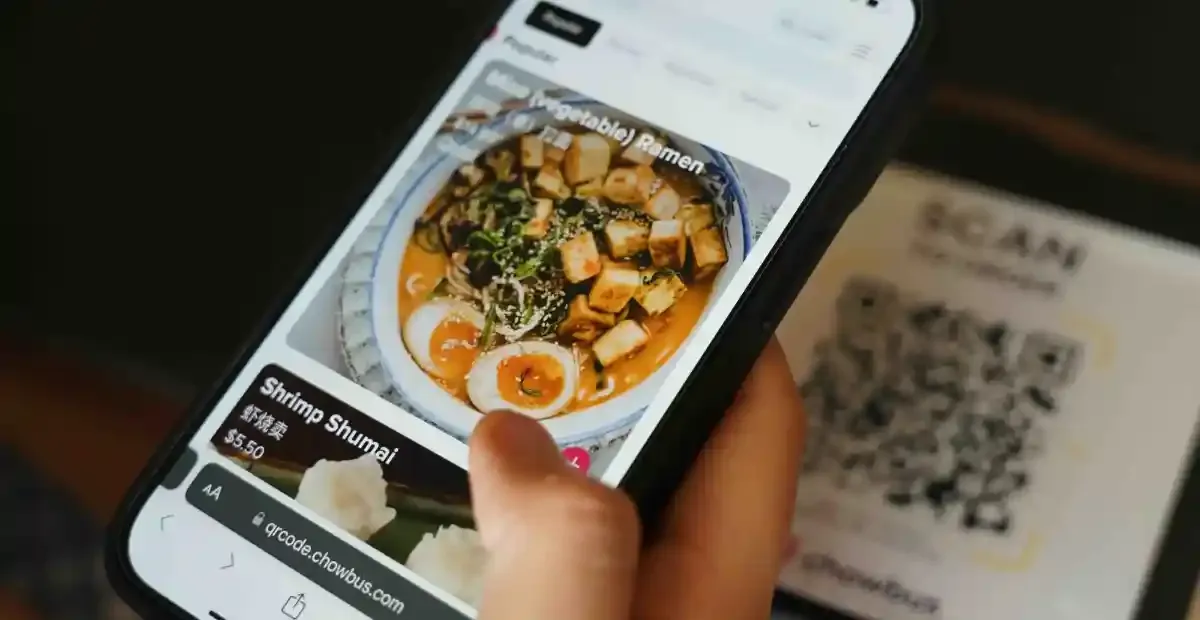
With a digital menu ordering setup, guests scan the QR code in their room and place their order directly. It reaches the kitchen without a single phone call. Your room service team did not pick up, confirm, relay, or repeat anything. That single change saves each team member 40 to 60 minutes of pure call-handling time per shift. A contactless ordering system built into the room means that time spent on phone logistics can go toward preparation, presentation, and guest interaction instead.
What specifically gets removed from the room service team's workflow:
- Answering and managing incoming order calls during peak hours
- Repeating orders back to guests to confirm accuracy
- Manually relaying order details to the kitchen or writing them on slips
- Following up with the kitchen when something is unclear
- Fielding repeat calls from guests checking on their order status
Removing even half of those steps changes how the shift feels and how much the team still has left by the end of it.
Also Read: Why Guests Prefer QR Table Ordering Over Waiting for Staff
2. Order Errors Drop and So Does the Stress Behind Them
Ask any room service team member what creates the most friction on shift. A wrong order delivered to the wrong room, or with the wrong modifications, sits right at the top. The guest calls back. The kitchen redoes the dish. The delivery is now 20 to 25 minutes late. And the experience ends up mentioned in the post-stay review.
With a contactless ordering system, guests enter their own orders directly from their room. They see exactly what they are selecting. If someone wants a sandwich with no butter and extra pickles, they choose it themselves. It reaches the kitchen exactly that way. No miscommunication, no slip misread under pressure, no detail lost between the phone and the preparation counter.
One hotel property in Pune that switched to QR code table ordering for its room service reported a 70% drop in order-related complaints within the first month. Not because the food changed. Because the information stopped passing through three people before reaching the kitchen.
When errors drop, the pressure drops with them. The room service team feels less on edge. The kitchen runs with more confidence. And the floor manager spends less time sorting out "who confirmed what" with a guest at the door.
3. The Kitchen Gets Cleaner, Clearer Tickets
Hotel kitchens handling room service have their own version of chaos. Orders come in over the phone, get noted quickly, and land in the kitchen as handwritten slips or verbal instructions. During the morning breakfast window, a 100-room hotel can see 40 or more orders in under 30 minutes. One unclear ticket creates a bottleneck that affects everything after it.
A QR code ordering system sends digital tickets directly to the kitchen display. Every modification appears clearly. "No onion. Roti instead of rice. Extra sauce on the side." All of it on screen, in real time, exactly as the guest entered it.
What does that change for the kitchen team:
- No more decoding rushed handwriting during a breakfast rush
- Modifications and dietary requests appear automatically with every order
- Add-ons from a guest room update the ticket instantly. No runner needed
- Kitchen staff can see order volume building and pace themselves accordingly
- Fewer remakes and "send it back" situations that throw the whole sequence off
The kitchen runs more smoothly with QR code table ordering in place. And when the kitchen runs more efficiently, room service delivery times improve, guest satisfaction scores improve, and the whole operation feels less reactive. That is the core promise of any good contactless ordering system, and it starts in the kitchen.
4. Billing and Payment Stop Requiring Extra Trips
In hotel room service, the payment moment creates its own inefficiency. The order is delivered. Then comes the bill: a printed slip, a signature, a charge to the room, or cash at the door. Each of those requires either a second visit or a follow-up at checkout. When something looks wrong to the guest, sorting it out means another call to the front desk.
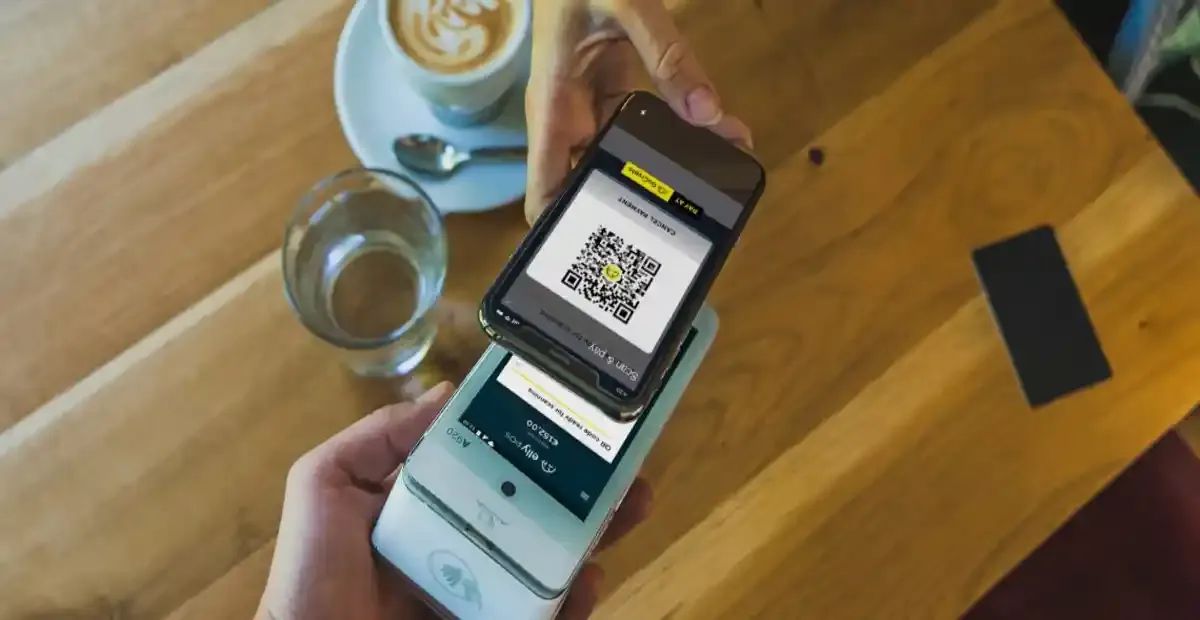
With a QR code ordering system that includes integrated payment, guests choose how they want to pay at the point of ordering. They can charge directly to their room account with a single tap. By the time the order arrives at the door, the payment is already done. The team member delivers, confirms everything looks right, and leaves. No slip, no signature, no second visit.
For the room service team, switching to a contactless ordering system removes an entire step from every single delivery. On a busy evening, across 20 to 30 deliveries, that adds up fast. And since the tip prompt appears clearly at checkout, tip averages tend to go up. Guests tip more generously when the process feels smooth and when the person delivering has clearly had time to present things properly.
5. Managers Get Visibility Instead of Constant Follow-Up
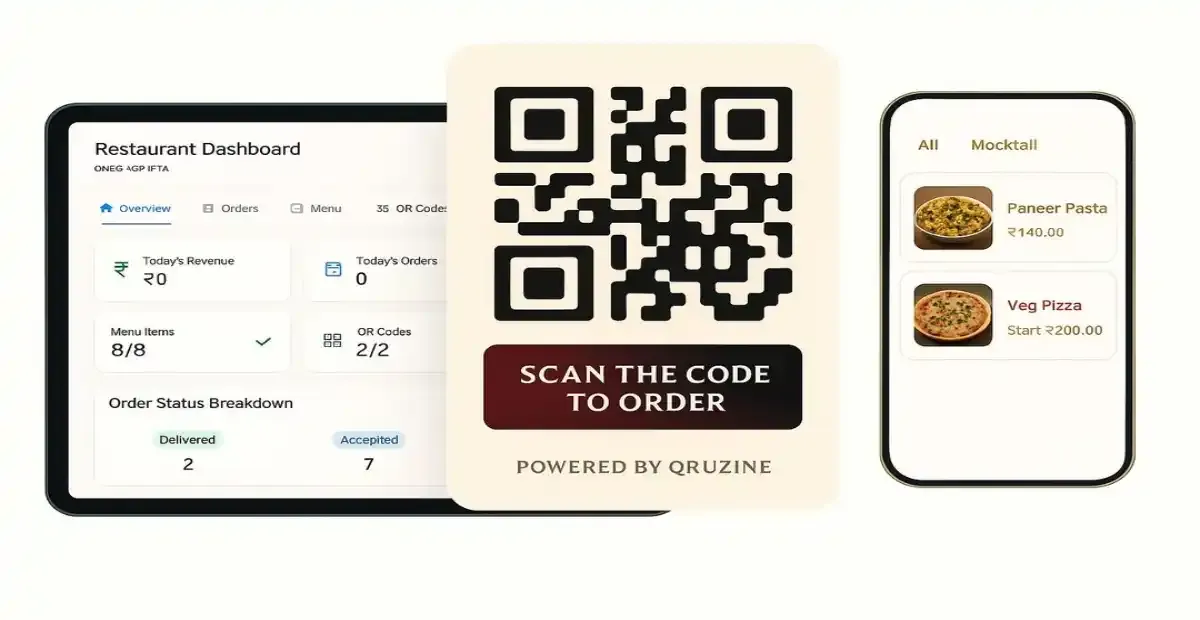
On a busy night without a proper system, the hotel floor manager is essentially running triage. Which rooms have been ordered? Which orders are in the kitchen? Which delivery is taking longer than it should? It is reactive, it is constant, and it is not real management.
This gives managers a live dashboard. They can see every active order, which stage it is at, which room it is going to, and what has already been delivered, all from one screen without asking anyone.
That visibility changes the entire role. Instead of chasing down the room service team to ask "what is happening with room 412?", the manager can focus on what actually needs attention. A guest complaint is coming in. A kitchen backup is forming at the wrong time. A new team member who needs support mid-shift. The dashboard handles the information. The manager handles the people.
Real impact on management tasks:
- End-of-shift reconciliation that used to take 40 to 45 minutes now takes around 15
- Billing discrepancies become easier to trace and resolve without guesswork
- Order volume data by hour helps managers plan staffing more accurately
- Managers can see which menu items are moving and flag low-performing items early
6. New Staff Settle In Faster and With Less Pressure
Onboarding a new room service team member is harder than it looks. They need to learn the menu, understand the hotel's ordering and billing system, handle guest calls confidently, and coordinate with the kitchen, all within the first few shifts. The pressure on a new person during a breakfast rush is real.
With a digital menu ordering system, a big part of that pressure disappears. Guests place their own orders through the digital menu ordering interface on the QR code in their room. The new team member does not have to take calls, confirm orders, or relay modifications during their first week. They focus on preparation and delivery, which they can learn quickly, while the system handles the intake.
Most hotel properties using QR code table ordering for room service report that new hires reach confident, independent performance within 2 to 3 shifts, compared to 7 to 10 shifts with traditional phone-based ordering. That is a meaningful difference both for the new employee and for the senior team member who would otherwise be covering for them.
7. Physical and Mental Fatigue Across the Shift Goes Down
Hotel room service work is demanding in ways that do not always get acknowledged. Team members are on their feet for hours, carrying trays across long corridors, handling multiple deliveries simultaneously, and managing the mental load of remembering which order is at what stage.
A contactless ordering system cuts a meaningful part of that load. With digital menu ordering handling intake, the team's mental bandwidth shifts entirely toward delivery. Phone call volume during peak hours drops significantly. The kitchen-to-door relay becomes cleaner and faster. The mental overhead of managing half-confirmed orders and verbal modifications disappears.
Over a full shift, the reduction in unnecessary back-and-forth steps and call-handling time adds up to 1,500 to 2,000 steps less walked and 45 to 60 minutes less spent on pure logistics. This is what a good contactless ordering system actually delivers on the staff side, not just faster orders, but a shift that feels manageable. Team members who finish a shift less worn out come back more readily. In an industry where room service and F&B staff turnover regularly crosses 70 to 80% annually, anything that makes the job sustainably manageable is worth the investment.
What This Looks Like in Practice
All 7 points above connect in a way that is easier to see when you look at a real situation.
Consider a mid-sized business hotel in Bengaluru, 80 rooms, solid weekday occupancy from corporate guests. Before switching to this system for room service, the team handled peak hours almost entirely by phone. Breakfast service between 7 and 9 AM meant continuous calls, handwritten slips, kitchen follow-ups, and at least 3 to 4 wrong or delayed orders every morning. Two room service staff had left in the previous month, both citing the pressure.
After 30 days with QR code table ordering running across all rooms, the morning rush looked different. Order errors dropped by over 60%. The kitchen received every ticket digitally, clearly, with all modifications intact. The floor manager's end-of-shift reporting went from 40 minutes to under 15. And tip averages went up because the team had time to deliver properly instead of rushing from one call to the next.
Same team. Same kitchen. Same number of rooms. Just a system that stopped turning their energy into logistics.
Wrapping Up
A QR code ordering system in hotels is not just a guest-facing upgrade. It is a measurable shift in how the room service team experiences every shift, fewer calls to handle, fewer errors to manage, cleaner kitchen communication, faster billing, and less fatigue by the end of the night. Digital menu ordering removes the bottleneck that used to sit right at the start of every order.
For hotels trying to hold onto good people in an industry with high turnover, that matters. When the team is not buried in the mechanics of order-taking, they can focus on what actually builds guest loyalty. The way an order is delivered, the small details that make a tired guest feel properly taken care of, and the kind of service that shows up in reviews and repeat bookings.
That is the real value of a contactless ordering system built around digital menu ordering. Not just convenience for guests, but a working environment where your room service team can do their best work every single day.
Related Posts
Digital Menu
In-Room Dining Ordering: How Guests Order Food & Drinks From Their Room
25 Aug
Hospitality Automation
Hotel Food Ordering App: How Guests Order Food to the Pool or Lobby
25 Aug
Hospitality Automation
Is QR Code Table Ordering Worth It for Hotel Restaurants?
25 Aug