
What Is a Centralized Order Dashboard for Hotels?
By Foodle+ Team • 8 Aug • 12 MINS READ
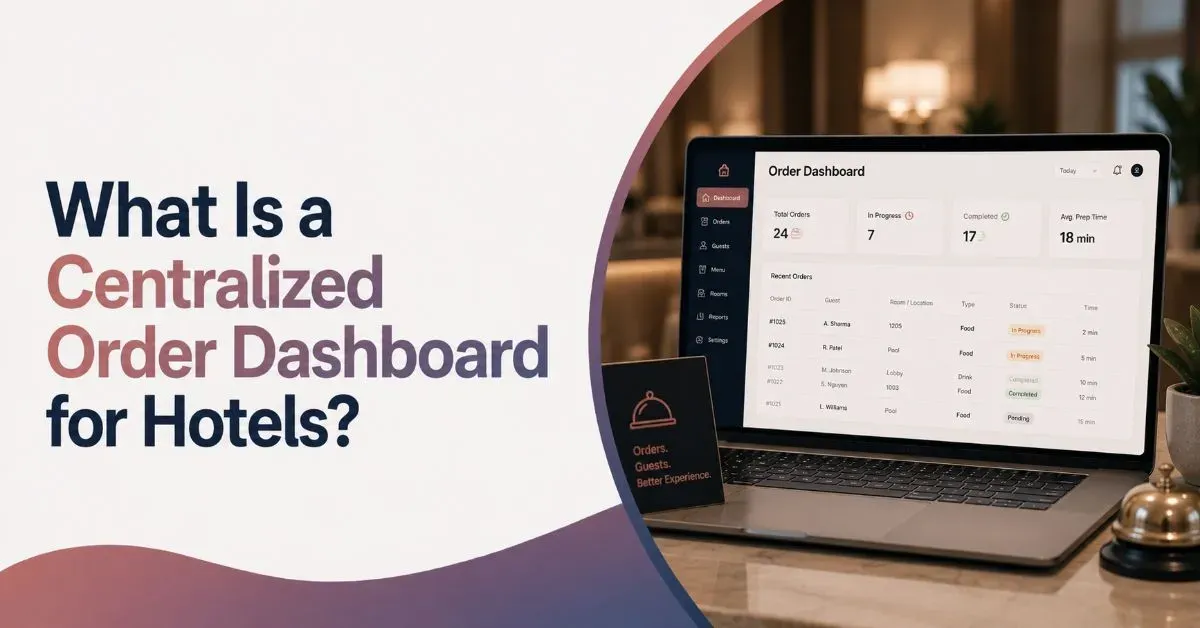
Ever had a guest call for tea, wait 25 minutes, then call again, angry? The order didn't vanish. It just got lost between the front desk, the kitchen, and a busy phone line. That gap costs you money and a bad review.
A centralized order dashboard fixes exactly that. It's one screen where every guest request lands, gets sent to the right team, and stays visible until it's done. No more guessing who took the order or whether the kitchen even heard it.
This post breaks down what a centralized order dashboard for hotels actually is, why orders get missed in the first place, how the system works behind the scenes, and what to look for before picking one. Let's start with the basics.
- What Is a Centralized Order Dashboard for Hotels?
- Why Do Hotel Orders Get Missed or Delayed?
- How Does a Hotel Order Management System Work?
- How Does Automated Order Routing Reduce Missed Orders?
- Can Hotels Use This Without Replacing Their PMS?
- Is QR Code Ordering Better Than Phone-Based Room Service?
- How Do Order Dashboards Help During Peak Hours?
- Frequently Asked Questions
- The Bottom Line
What Is a Centralized Order Dashboard for Hotels?
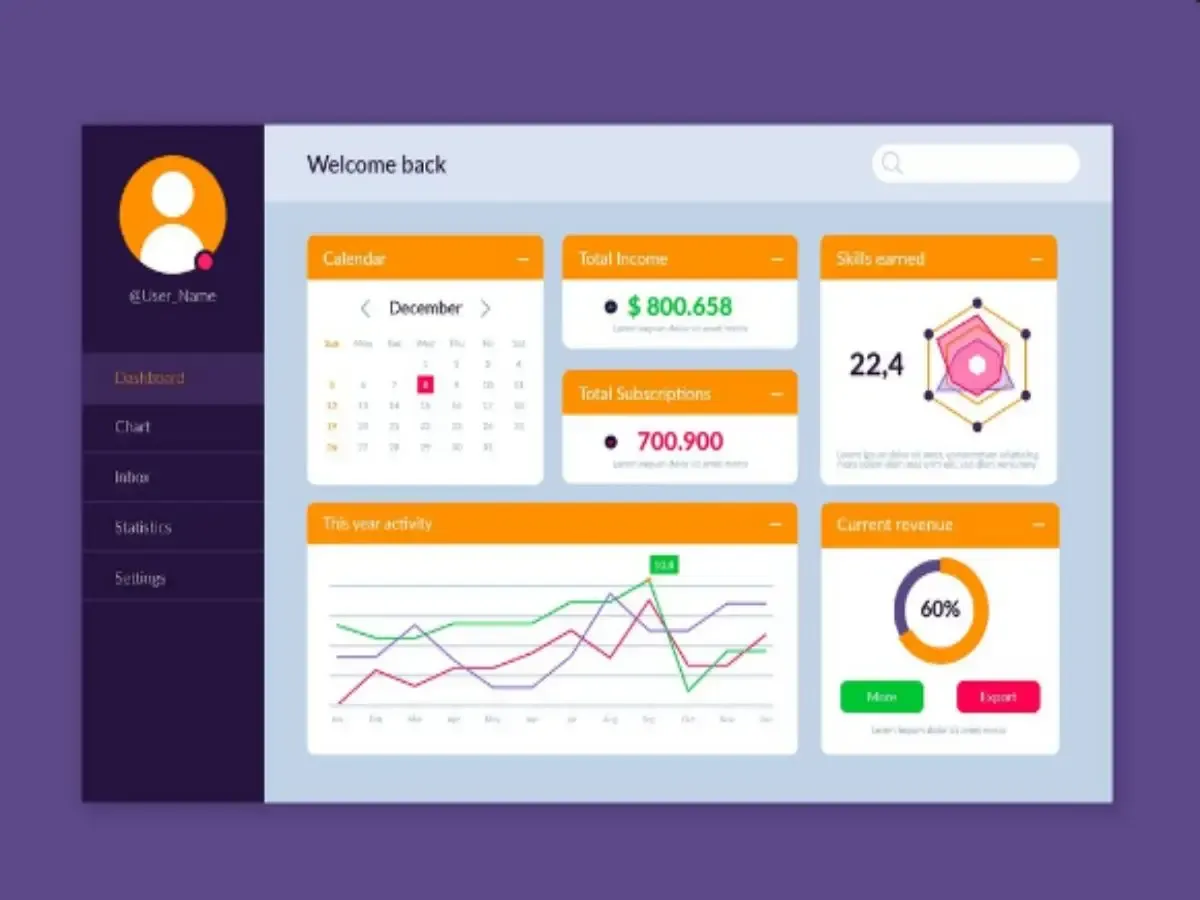
A centralized order dashboard for hotels is a single screen that collects every guest request and service order in one place, then shows its live status. Room service, housekeeping, spa, laundry, maintenance, all of it lands in one view. Staff can see what came in, where it's headed, and whether it's done.
Think of it as the control room for guest requests. Instead of orders scattered across phone calls, sticky notes, and three different staff WhatsApp groups, everything sits in one dashboard. Each request shows the room number, the item, the time it came in, and which team is handling it.
That single view is the whole point. When everyone looks at the same screen, nothing slips through. A request for extra towels can't get forgotten because it's sitting right there, marked pending, until someone closes it.
What a centralized dashboard actually shows
- Every active order in real time: , sorted by room, type, and time received.
- The department handling it: , so kitchen, housekeeping, and maintenance never overlap or drop a request.
- Order status, like new, in progress: , or completed, updated as staff act on it.
- Time stamps,: so you can spot which requests are running late before the guest complains.
- Past requests per room,: giving your team instant context on repeat guests.
That visibility is what separates a dashboard from a phone and a notepad. Now, why do orders get missed without one?
Why Do Hotel Orders Get Missed or Delayed?
Hotel orders get missed mostly because of fragmentation. Requests come in through phone calls, the front desk, walk-ins, and messages, then get passed along by memory or paper. Every handoff is a chance for the order to get dropped, misheard, or simply forgotten during a rush.
Phone-based room service is the biggest culprit. A guest calls, the front desk scribbles it down, then relays it to the kitchen. If the line's busy or the staffer gets pulled away, that order can disappear. No record, no proof, no follow-up.
Then there's the peak-hour problem. During the 8 to 10 AM checkout rush or a packed dinner service, requests pile up faster than anyone can track on paper. Staff juggle multiple tablets or WhatsApp chats, and the moment one device glitches or a message scrolls away, an order is gone.
Where orders usually fall apart
- Manual handoffs:: front desk to kitchen by phone or memory, with no written trail.
- Multiple disconnected channels: calls, messages, and walk-up requests that never sync.
- No visibility on delays:: staff can't see which request has been waiting 20 minutes.
- Peak-hour overload:: too many requests, too few hands, nothing logged properly.
- Shift changes:: the morning team forgets to pass pending orders to the next shift.
Most of these come down to one thing. There's no single record everyone trusts. Fix that, and missed orders drop fast. Here's how the system pulls it off.
How Does a Hotel Order Management System Work?
A hotel order management system works by capturing every request digitally, routing it to the right team automatically, and tracking it until completion. The guest places a request, the system logs it, sends it to the correct department, and updates the status as staff act. No phone relay, no lost chits.
It usually starts with the guest. They scan a QR code in the room or tap a digital menu, pick what they need, and submit. That request hits the dashboard instantly, tagged with the room number and time. From there, smart routing takes over.
The system reads the request type and sends it where it belongs. A food order goes to the kitchen. A towel request goes to housekeeping. A leaking tap goes to maintenance. Staff get notified, mark it in progress, and close it once done. The guest can get updates too, often over WhatsApp, so they're never left wondering.
The order journey, step by step
- Step 1, request:: guest scans a QR code or opens a digital menu, no app download needed.
- Step 2: Capture:: The system records the order and displays the room number, item ordered, and time on the dashboard.
- Step 3, route: the system auto-sends it to kitchen, housekeeping, spa, or maintenance.
- Step 4, track:: staff update status from new to in progress to done, all visible live.
- Step 5, confirm:: guest gets a WhatsApp update on confirmation and completion.
That's the full loop, from a guest's tap to a closed order, with a record at every step. Behind it sits the feature that does the heavy lifting.
How Does Automated Order Routing Reduce Missed Orders?
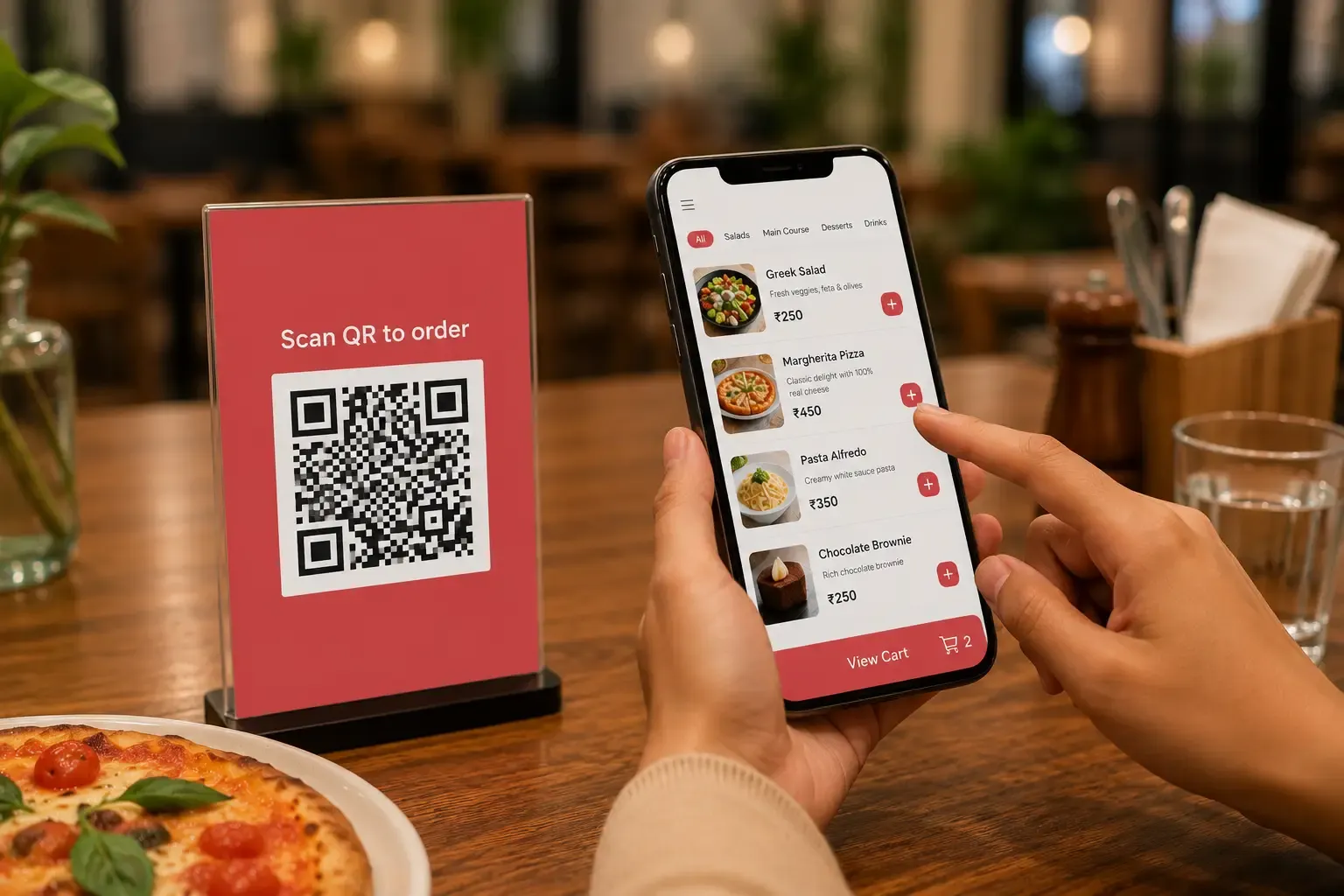
Automated order routing reduces missed orders by removing the human relay. The system sends each request straight to the right department the moment it comes in, so no person has to remember, write it down, or pass it along. The order can't get lost in translation because there's no translation step.
Picture a resort spread across three blocks. A guest in Block C orders a club sandwich and asks for the AC to be fixed. With a manual process, the front desk has to contact two separate teams and hope they respond. With routing, the food order pings the kitchen and the AC issue pings maintenance at the same instant. Two teams, one tap, zero phone tag.
This matters most when staff are stretched thin. Routing doesn't get tired, distracted, or confused during a rush. It treats the 50th order of the evening exactly like the first, sending it to the right place with a clear time stamp and an owner.
Why routing beats manual handling
- No memory load:: staff don't carry orders in their head between desk and kitchen.
- No double handling:: one request can split across departments automatically.
- Built-in accountability:: every order has a named owner and a time stamp.
- Faster response:: the right team sees the request the second it's placed.
- Clean shift handovers:: pending orders stay on the dashboard, visible to the next shift.
Routing is the quiet engine that keeps the whole dashboard honest. But a fair question comes up for most hoteliers next.
Can Hotels Use This Without Replacing Their PMS?
Yes. A centralized order dashboard works alongside your existing PMS, not instead of it. Your property management system keeps handling reservations, billing, and room inventory. The order dashboard sits on top as the guest request and service layer. The two do different jobs.
This is a common worry, and it's a fair one. Most hotels already run a PMS, maybe a channel manager and a POS too. Nobody wants to rip all that out. The good news is you don't have to. A good order dashboard either syncs basic guest data with your PMS or runs independently if you prefer.
So the dashboard manages what your PMS was never built for, the live flow of guest requests and F&B orders. Your billing and check-in stay exactly where they are. You just add the missing piece that catches every order.
How it fits with your current setup
- Works as a layer, not a replacement:: PMS handles bookings and billing, the dashboard handles requests.
- Flexible sync options: basic guest data sync, scheduled sync, or fully standalone.
- No disruption to billing:: room charges and checkout flows stay with your PMS.
- Quick to start:: most setups go live in a day or two, not weeks.
- Scales with you:: works for a 20-room property or a multi-block resort.
So adding a dashboard isn't a risky overhaul. It's a focused fix for the one gap your PMS leaves open. And one part of that fix is changing how guests place orders in the first place.
Is QR Code Ordering Better Than Phone-Based Room Service?
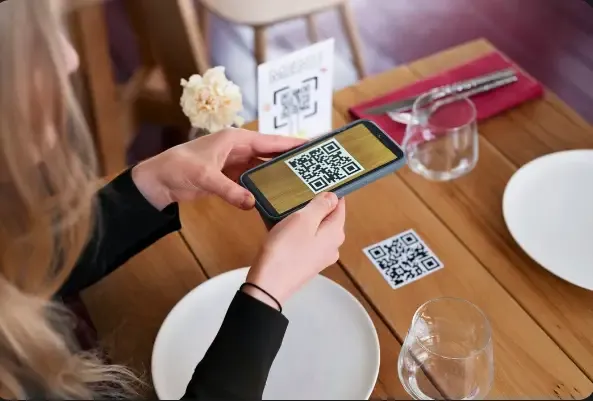
For most hotels, yes, QR code ordering beats phone-based room service. Guests scan a code in the room, browse a digital menu, and order in a few taps. No waiting on a busy line, no misheard items, and every order is logged automatically. Phone orders leave no trail. QR orders leave a clean one.
Phone-based service has real limits. The guest has to call, wait, and explain. Staff have to write it down correctly and pass it on. Language gaps, accents, and noise all add errors. And there's zero record if something goes wrong.
QR ordering removes those friction points. The guest controls the order, sees exactly what they picked, and submits it straight into the system. For Indian hotels especially, pairing this with WhatsApp updates feels natural, since guests already live on WhatsApp all day.
QR ordering isn't about replacing human service. It's about catching the order cleanly so your team can focus on delivering it well. That focus pays off most when things get busy.
How Do Order Dashboards Help During Peak Hours?
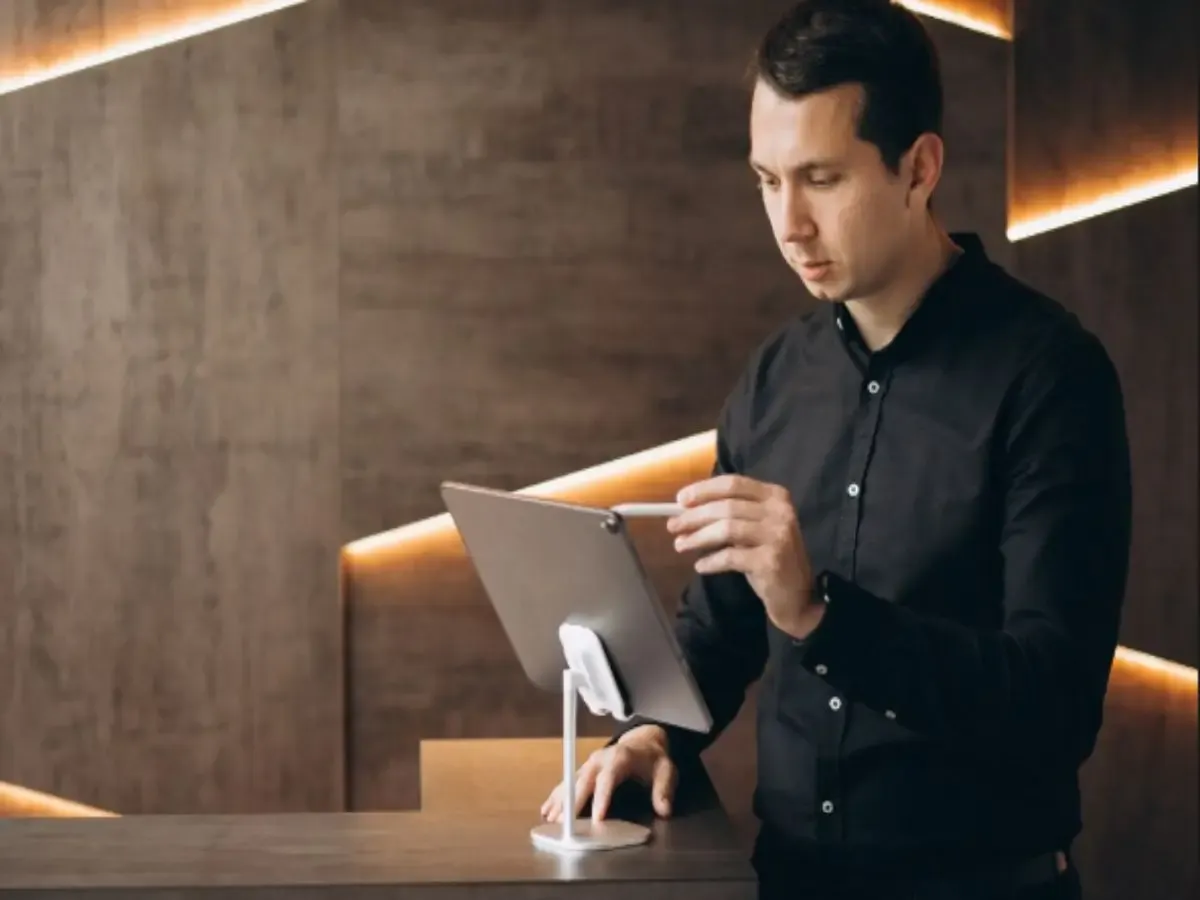
Order dashboards help most during peak hours because that's when manual systems collapse. When 15 requests come in within ten minutes, paper and phone calls can't keep up. A dashboard lines every order up in one view, sorted by time, so your team works through them without dropping a single one.
Take a busy checkout morning. Guests want breakfast, bills, late checkouts, and cabs, all between 8 and 10 AM. On paper, this is chaos. On a dashboard, each request has its own row, its own owner, and its own clock. Staff can see what's been waiting longest and clear it first.
The system also shows you patterns over time. If breakfast orders always spike at 8:30 and your kitchen is always behind, the analytics make that obvious. Then you can add a hand at the right hour instead of guessing. That's how a rush turns from stressful to manageable.
What a dashboard handles when it's busy
- Order queue by time:: the longest-waiting request stays at the top, not buried.
- Clear ownership:: no two staffers chase the same order while another sits ignored.
- Live status:: managers see bottlenecks forming and can step in early.
- Peak-hour analytics:: spot the exact times you need more staff on the floor.
- No lost requests:: even at full volume, every order stays on screen until done.
Handle the rush well and guests notice. Quick, accurate service during the busiest hours is exactly what earns repeat stays and strong ratings.
FAQs
What is a centralized order dashboard for hotels?
What is a hotel order management system?
How do hotels stop missing room service orders?
Does a centralized order dashboard replace a hotel's PMS?
Is QR code ordering safe and easy for guests?
How quickly can a hotel set up an order dashboard?
The Bottom Line
A missed order is rarely a staff problem. It's a system problem. When requests come in by phone and travel by memory, some will always slip. A centralized order dashboard for hotels closes that gap by putting every guest request in one place, routing it automatically, and tracking it to the finish.
For Indian hotels, resorts, and Airbnbs juggling room service, housekeeping, and F&B, a hotel order management system turns scattered requests into one clean flow. Fewer missed orders, faster service, happier guests, and a clear record of everything. Start by fixing how orders get captured, and the rest of the chaos quietly sorts itself out.
Related Posts
Hospitality
How Hotels Are Using a WhatsApp Ordering System to Increase Room Service Orders?
15 Sept
Digital Menu
In-Room Dining Ordering: How Guests Order Food & Drinks From Their Room
15 Sept

Hospitality Automation
Cross-Selling vs Upselling in Hotels: What's the Difference?
15 Sept