
How Contactless Service Improves Guest Comfort in Hotels
By Foodle+ Team • 29 Jul • 8 MINS READ
Your guest just landed after a long flight. They're tired from traveling, carrying their luggage, and looking forward to reaching their room. Instead, they're standing in a queue at the front desk, watching someone type slowly.
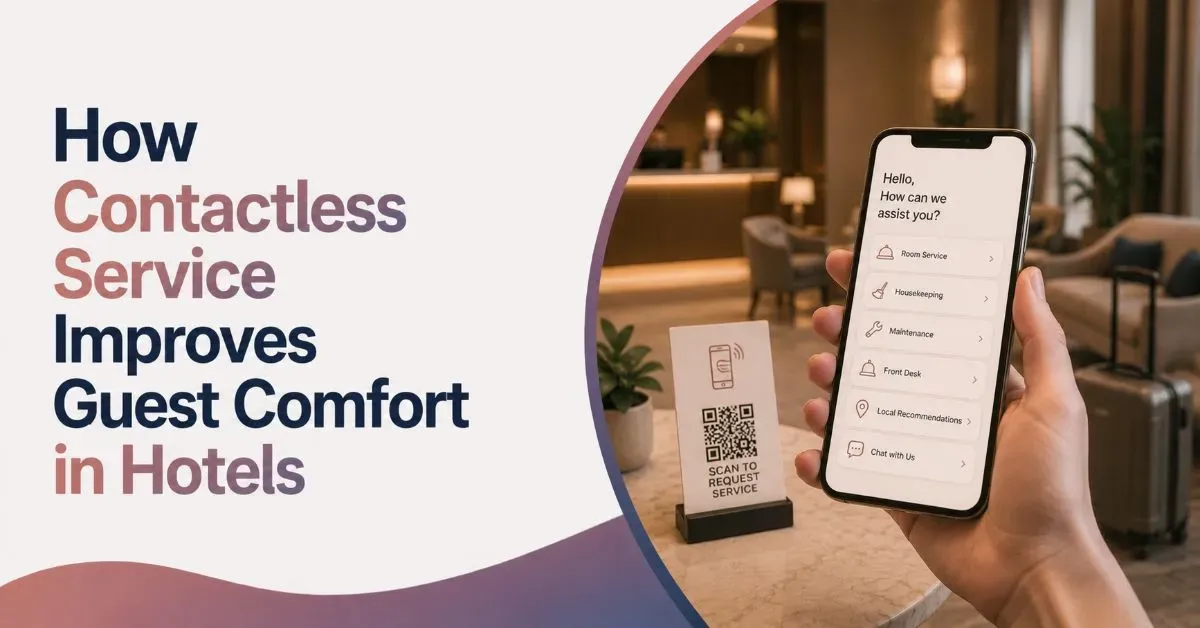
That one moment shapes how they feel about the entire stay. Contactless service in hotels solves exactly this. Not by removing human interaction, but by removing the unnecessary friction before it. Guests check in from their phones, go straight to their rooms, and order food before they've even unpacked.
Here's what contactless hotel service looks like, how it improves hotel guest comfort at every stage, and why properties adopting it now are seeing real results.
What Contactless Service in Hotels Actually Means
Most people hear "contactless" and think of tap-to-pay. In hotels, it covers every point where a guest would normally have to wait, call, or touch a shared surface to get something done.
Check-in, checkout, room service orders, service requests, bill review, all of it moves to the guest's phone. According to a Mews-commissioned survey, nearly 80% of travelers are willing to stay at a hotel with automated check-in. Over 40% already prefer digital methods for managing their stay. That's not a niche preference. It's a baseline expectation now, the same as WiFi.
The key touchpoints that go contactless
- Pre-arrival check-in via a link or QR code so guests skip the front desk entirely
- Digital room keys sent to the guest's phone, no plastic card needed
- QR-based menus for room service, dining, and in-house experiences
- WhatsApp or in-app messaging for requests instead of calling reception
- A seamless digital checkout process allows guests to settle their bill and leave without queuing.
Each touchpoint works on its own. A hotel can start with digital check-in alone and add QR ordering later. The shift doesn't have to happen all at once, which makes it practical for properties of every size.
Once guests go through a frictionless stay, going back to paper forms feels like a step backward. That shift in expectations is what's pushing hotels to move now.
Digital Check-In Fixes the First Impression
The front desk queue is where most negative first impressions start. Not because the staff is unhelpful, but because the process is slow by design. ID verification, key card setup, and room explanation, during peak hours, which runs 15 to 20 minutes easily.
Digital check-in for hotels cuts that down to under two minutes. HelloShift data shows contactless check-in reduces front-desk wait times by over 60%. The guest gets a pre-arrival message, verifies ID from their phone, and arrives knowing exactly which room they're in. They walk straight there.
What changes for the guest upon arrival
- No queue, no standing with bags while someone processes paperwork
- The room number and digital key arrive before the guest even leaves the airport
- Front desk staff shift from admin to offering a genuine welcome
- The whole arrival tone changes from transactional to relaxed
OpenKey data shows guests using digital room keys rate their stays an average of 7 points higher in satisfaction scores than guests using physical keycards. That gap starts right at the door.
A resort group where 70% of post-stay complaints were tied to arrival friction switched to mobile check-in and saw front desk complaints drop significantly within three months.
QR Ordering Removes Friction From Every In-Stay Request
Most hotels lose in-room revenue not because guests don't want to order, but because ordering is inconvenient. Finding a menu, calling reception, waiting on hold, many guests give up and go out instead.
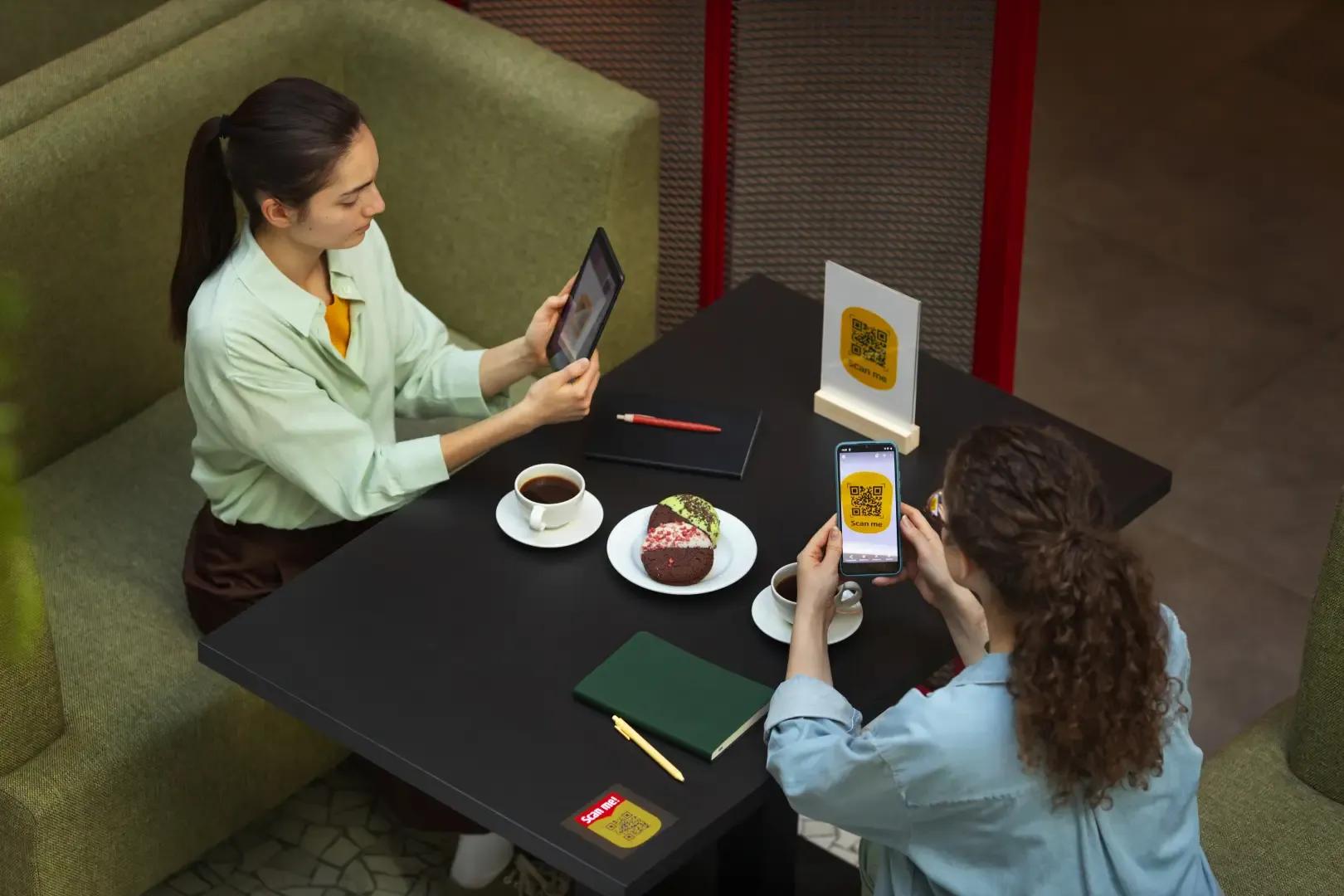
QR code ordering removes every one of those steps. The guest scans a code in the room, browses a live digital menu, and places the order from their phone. It goes straight to the right department. No calls, no hold time.
How does this improve hotel guest comfort mid-stay
- Guests enjoy a self-service experience, browsing whenever and however they prefer.
- Orders reach the kitchen directly with fewer errors since guests type their own preferences
- Spa bookings, activity reservations, and add-ons are just as easy to request
- International guests read menus in their own language when multilingual options are enabled
- Guests discover and order things they wouldn't have bothered calling about
Oracle's Hospitality Report found that 71% of guests are more likely to choose a hotel offering self-service technology. QR ordering is one of the most visible forms of that. The guest who wouldn't pick up the phone will absolutely tap through a menu on their own device.
Also Read: Is QR Code Table Ordering Worth It for Hotel Restaurants?
WhatsApp Messaging Keeps Service Fast Throughout the Stay
Most guests already have WhatsApp open. Getting them to call the front desk means switching apps, finding the number, and waiting on hold. That's four friction points for a request that should take ten seconds.
WhatsApp-based service means the guest sends a message from the app they're already using. "Extra pillows, please." "Can I get a late checkout?" The message reaches the right team instantly, gets tracked, and gets resolved.
What WhatsApp does for hotel guest experience
- Service requests are acknowledged in under a minute instead of a call center wait
- Hotels can send check-in instructions, room details, and local tips before arrival
- Guests get notified when their order is ready or their request is handled
- Every message is logged and visible in the staff dashboard; nothing gets missed
- Guests with language barriers or hearing difficulties communicate more easily in writing
This directly affects reviews. "I messaged and got an instant reply" shows up in five-star reviews. "I called twice, and nobody answered" is the kind of complaint that often leads to one-star reviews. Moving the service to a channel guests already use closes that gap.
Contactless Checkout Protects the Last Impression
The final moments of a stay carry just as much weight as the first. A guest who had a great three-day trip can still leave frustrated, spending 20 minutes at checkout.
Contactless checkout gives guests full control. They receive a digital bill on their phone, review it, approve payment, and walk out. No queue, no paper, no waiting when they're already mentally on their way home.
What changes at checkout for the guest
- Bill review happens from the room before they pack, not at a counter
- Disputed charges are flagged digitally, which is less stressful than a face-to-face conversation
- The front desk handles only guests who genuinely need in-person help
- Checkout timing becomes more predictable, helping housekeeping plan room turnovers
- Guests leave on a clean note, which directly influences the review they write
That final impression is what guests remember when they open the review app. Getting it right improves scores without changing anything about the room itself.
Guests no longer compare hotels to other hotels. They compare them to Uber, Amazon, and Airbnb. That's the bar now. Contactless service in hotels is what lets properties meet that bar without losing the warmth that keeps guests coming back.
FAQs
Q1. What is contactless service in hotels?
Q2. How does contactless service improve hotel guest comfort?
Q3. Is digital check-in for hotels safe and secure?
Q4. Do small hotels benefit from contactless hotel technology?
Q5. Does contactless service remove the need for hotel staff?
Q6. How does hotel guest experience software support contactless service?
Related Posts
Guest Experience
How Hotels Can Personalize Every Guest Stay (And Why It Matters More Than Ever)
21 Aug
Guest Experience
Is Self Check-In Actually Worth Installing?
11 Aug
Guest Experience
Why Guests Never Return to Your Hotel (And How to Fix It)
11 Aug