
How to Use Digital Menu Ordering to Boost Hotel Room Service Sales
By Foodle+ Team • 29 Jul • 13 MINS READ
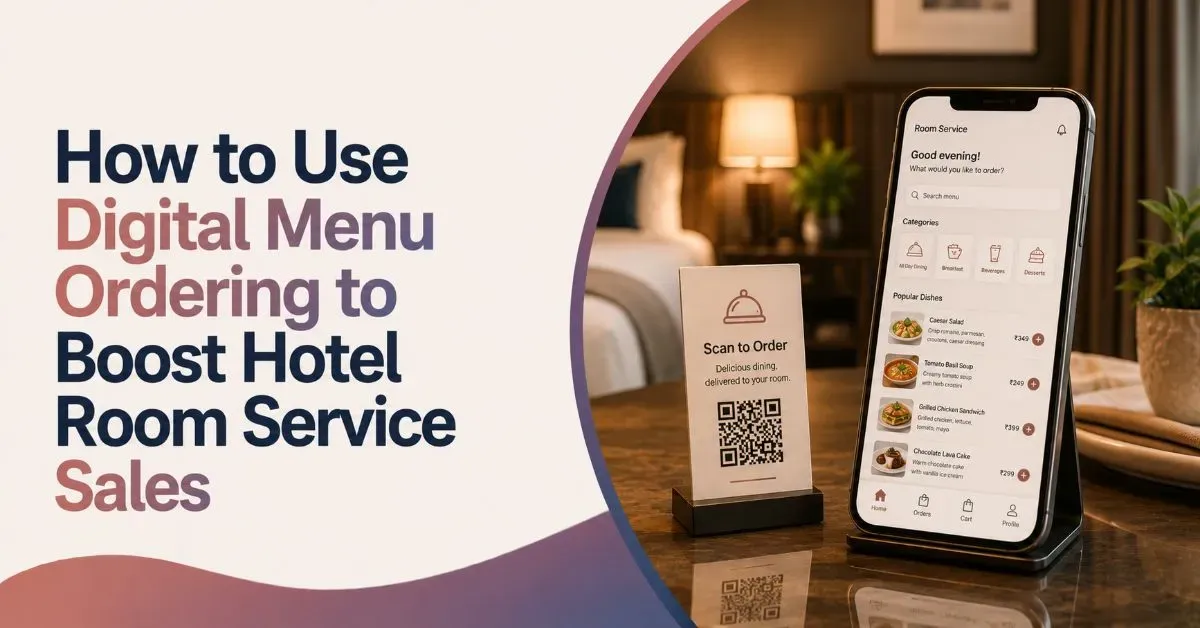
Ever noticed how hotel guests pick up their phones the second they get to their room? They are already scrolling, already comfortable, already in that quiet headspace where they actually think about what they want to eat. That moment is one of the most valuable selling opportunities a hotel has, and most properties are not using it.
Digital menu ordering places the entire room service menu on that screen, right when the guest is most receptive. No printed card to hunt for. No extension to dial. No waiting on hold while the kitchen handles other calls. The guest opens the menu, sees what is available, and orders in under two minutes. The same logic that makes a QR menu for restaurants effective applies here, only now it is working inside the guest room, at the guest's own pace, with no staff involvement needed. When the path is that easy, guests order more. That is not a guess. It is how people behave when friction disappears.
By the end of this guide, the picture will be clear: how digital menu ordering gets hotel guests to spend more per stay without anyone feeling pushed, how the layout of a QR code ordering system shapes what guests actually order, and how the data from every room service interaction can help a hotel make sharper decisions on pricing, staffing, and menu design.
Making the Upsell Feel Natural
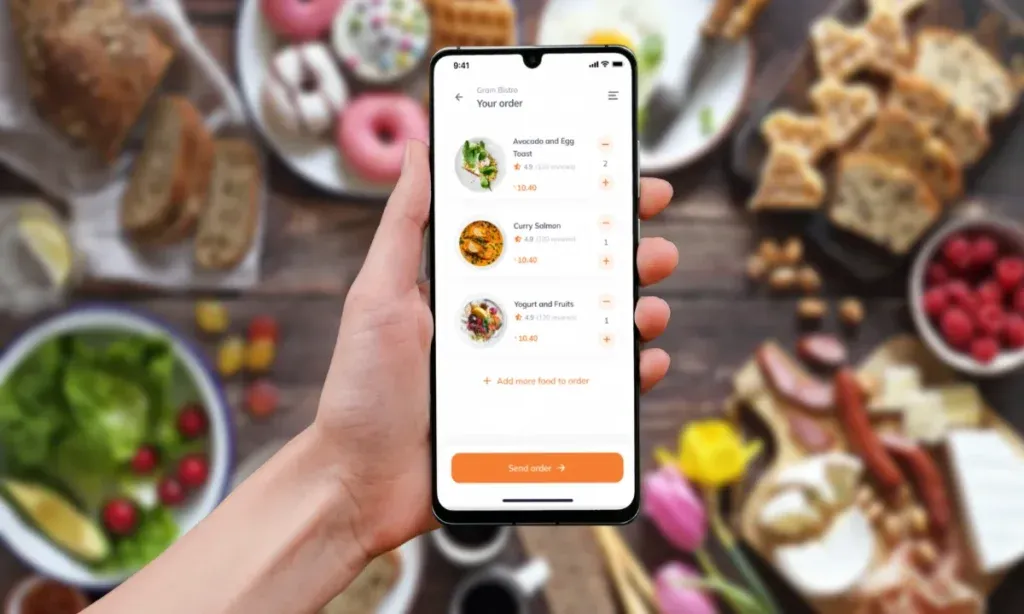
The thing about a digital setup is that it never forgets to suggest. A room service team member handling ten calls during the dinner rush cannot reliably mention the dessert of the day or the premium wine pairing to every single guest. The digital menu does not forget. It sits there on the guest's phone, showing a photo of that dessert right next to the main course they just added to their order. And suddenly they are thinking about it.
It is all about visuals and timing. Just like a QR menu for restaurants keeps the upsell window open throughout a meal, the hotel digital menu keeps it open for the entire duration of a guest's stay in their room. A guest browsing from the bed at 9 PM is in exactly the right frame of mind for an impulse addition. That is far more effective than a phone call where they rush through the order just to hang up. A well-designed QR menu for restaurants, when adapted for hotel room service, keeps that window open the entire time they are browsing, gently nudging toward extra spend without any pressure.
Why the digital upsell works in hotel room service:
- Visuals do the selling: A photo of a perfectly plated cheese board or a chilled bottle of wine converts far better than a text description read over the phone
- Zero pressure, full control: Guests browsing alone in their room feel no social pressure to rush or keep it simple. They take their time, and they add more
- Micro-additions compound: A ₹200 dessert, a ₹150 upgrade to a premium beverage, and an extra side. Each looks small, but across a 100-room hotel over a month, these amounts build into meaningful additional revenue
- Smart suggestions built in: A QR code ordering system that shows "Guests also ordered..." works like a quiet recommendation from someone who knows the menu
- Also Read: Why Guests Prefer QR Table Ordering Over Waiting for Staff
Faster Delivery Means More Orders Per Stay
Speed in room service is not just an operational metric. It is a sales metric. A guest who orders dinner and receives it in 25 minutes is a guest who might order dessert an hour later. On the other side, a guest who calls, waits on hold, and gets the wrong item is a guest who rarely orders another item.
When a digital menu ordering system removes the friction from the ordering process, the number of times a guest orders during a stay goes up. The first order comes in faster because there is no phone queue to wait through. The second order, an add-on, a late-night snack, a morning coffee before checkout, happens because the previous experience was smooth enough that ordering again feels effortless.
This second-order behaviour, made possible by a contactless ordering system that takes 30 seconds to use, is where the real revenue difference shows up. Guests on a 3-night stay who have one frictionless room service experience in the first 24 hours often order twice more during the rest of the stay. Those who have a difficult first experience often do not order again at all.
How does faster delivery directly impact hotel room service revenue?
- Shorter delivery windows build confidence. A guest who sees food arrive in 20 minutes tells the next guest, and that word-of-mouth shows up in booking decisions
- Accurate orders mean no replacement deliveries, no wasted kitchen time, and no goodwill discounts that eat into margin
- Guests who pay easily through the digital menu ordering system and receive a clean digital receipt are more likely to leave a positive review, and room service quality is a factor that appears in hotel reviews more than most operators expect
- The second and third orders during a stay, placed through the same contactless ordering system with zero friction, are almost entirely profitable. The guest is already there. The kitchen is already staffed. The incremental margin on a reorder is significantly higher than on the first order
The Psychology of the Room Service Menu
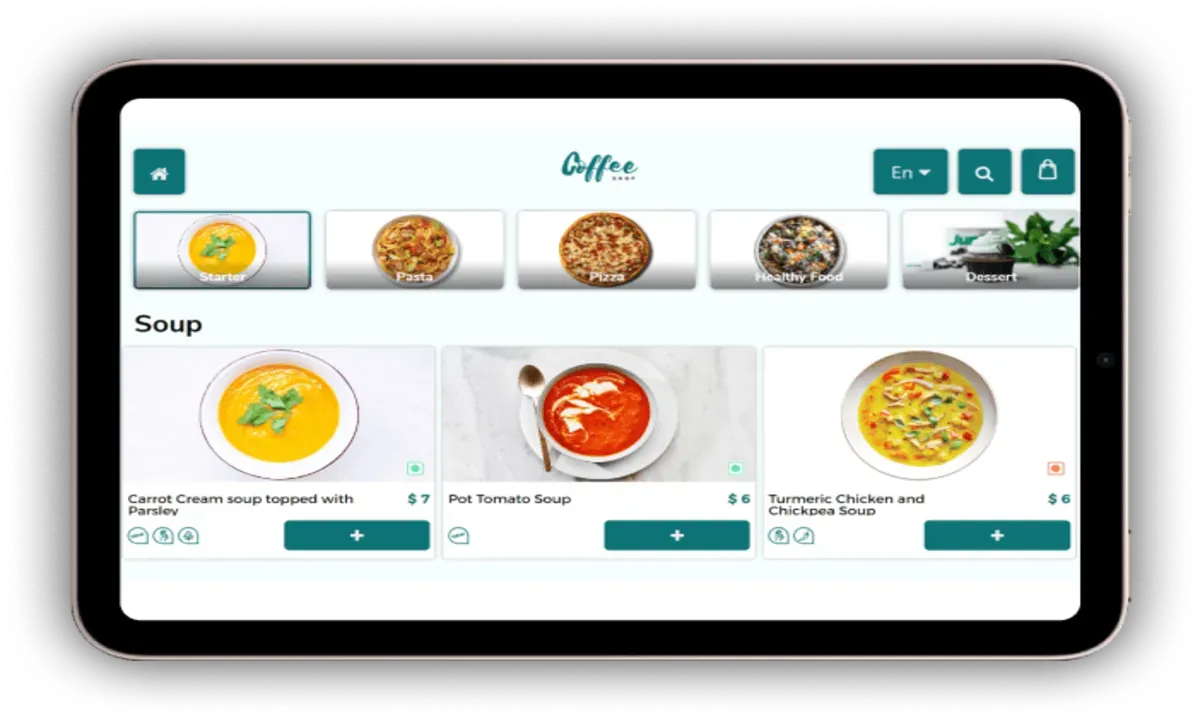
A printed room service card has real limits. It fits what it fits. Items get removed when the card is reprinted. Photos are small or absent. Pricing is static. A digital menu ordering setup removes all of those constraints, and how the menu is designed on screen has a direct effect on what gets ordered and at what spend level.
High-margin items belong at the top of the menu, with the largest photos. A premium platter, a curated drinks selection, a chef's special. These should be the first things a guest sees when they open the QR menu. Hotels that have applied QR menu for restaurants design principles to their room service interface report measurably higher average order values within the first few weeks. The items that look best and earn the most should have that position.
Dayparting is something no printed card can do. A QR code ordering system can change the menu automatically at specific times. At 11 PM, the hot kitchen section closes and only cold items and beverages remain visible. Breakfast ordering appears at 6 AM and disappears at 10:30 AM. The guest browsing at any given time sees only what is actually available, without staff having to explain what is and is not on offer.
Designing the room service menu for higher spend:
- Use language that earns its place. "Slow-braised lamb with rosemary jus" does more work than "Lamb Main"
- Add tags like "Chef's Selection" or "Most Ordered Tonight" in the QR code ordering system to create natural curiosity around higher-value items
- Build set options like "The Late Night Pack" or "Business Traveller Breakfast" that make ordering fast for guests who want simplicity and push higher total spend per order
- Let guests filter by dietary preference immediately. A guest who finds exactly what they need in seconds on their QR menu for restaurant-style interface orders with confidence, rather than calling to ask
Selling When the Guest Is Not Even Hungry Yet
Most hotel room service revenue happens in two windows: dinner and late night. Everything in between is treated as dead time. A digital menu ordering system changes that because it makes impulse ordering possible at any hour without any effort from either side.
A guest back from a meeting at 3 PM is not hungry enough for a meal but might order a cold brew and a snack through a contactless ordering system if the option is right in front of them. A guest preparing for an early morning flight at 5 AM might order a light breakfast if it takes 30 seconds and does not require a phone call. These are orders that never existed before because the barrier to placing them was too high. The QR code ordering system lowers that barrier to nearly zero.
Hotels that introduce off-peak promotions directly into the digital menu, a discounted afternoon tea set between 2 and 5 PM, a late-night mini bar replenishment offer, a pre-checkout breakfast at a fixed price consistently report room service revenue outside peak hours growing by 20 to 30% within the first quarter of switching.
How to activate off-peak room service revenue:
- Build time-specific offers into the contactless ordering system that appear automatically during slow windows. A "3 PM Refresh" deal costs nothing to run and requires no staff to push it
- Show a simplified "Quick Order" menu for guests who just want something small and fast without scrolling through the full room service menu
- Use the digital menu ordering system to suggest meal timing. "Planning an early checkout? Pre-order breakfast now and skip the morning rush" is a prompt that converts
- Returning guests are the most valuable. A QR menu for restaurants-style system that remembers a guest's previous orders can surface their usual items automatically, removing even the browsing step for repeat visitors
Also Read: How a QR Code Ordering System Reduces Staff Workload in Hotels
Using Data to Stop Guessing
Hotel room service has traditionally run on instinct and habit. The same menu, the same pricing, the same assumptions about what guests want. A digital menu ordering dashboard replaces that guesswork with actual behaviour data.
The system shows exactly which items guests open but do not order. That is usually a signal that something is off with the photo, the description, or the price. It shows what time late-night orders peak, so kitchen staffing matches actual demand. It shows which items corporate guests order most frequently versus leisure guests on weekends. That is information no printed menu card has ever provided.
Making data-driven decisions practical in hotels:
- Identify what is not converting: An item with high views and low orders has a problem. Fix the photo, rewrite the description, or adjust the price and watch what changes
- Track peak ordering windows: Know exactly when room service demand spikes so the kitchen is staffed correctly at those hours rather than at the ones that feel busy
- Inventory in real time: A QR menu for restaurants integrated into hotel room service can automatically remove items the moment the kitchen runs out, no guest has to be told something is unavailable after they have already decided on it
- Returning guest patterns: Platforms that track guest order history allow the hotel to surface relevant suggestions on repeat stays, which makes the experience feel genuinely personal
- Post-order feedback: A simple rating prompt right after the order closes catches service issues before they become negative reviews
When a hotel stops running room service on assumption and starts running it on data through its contactless ordering system, the menu gets sharper, the staffing improves, and the revenue grows from decisions that are actually grounded in what guests do. The contactless ordering system is not just an ordering tool. It is a data collection engine running quietly in the background of every single stay.
Pricing and Bundling to Increase Average Order Value
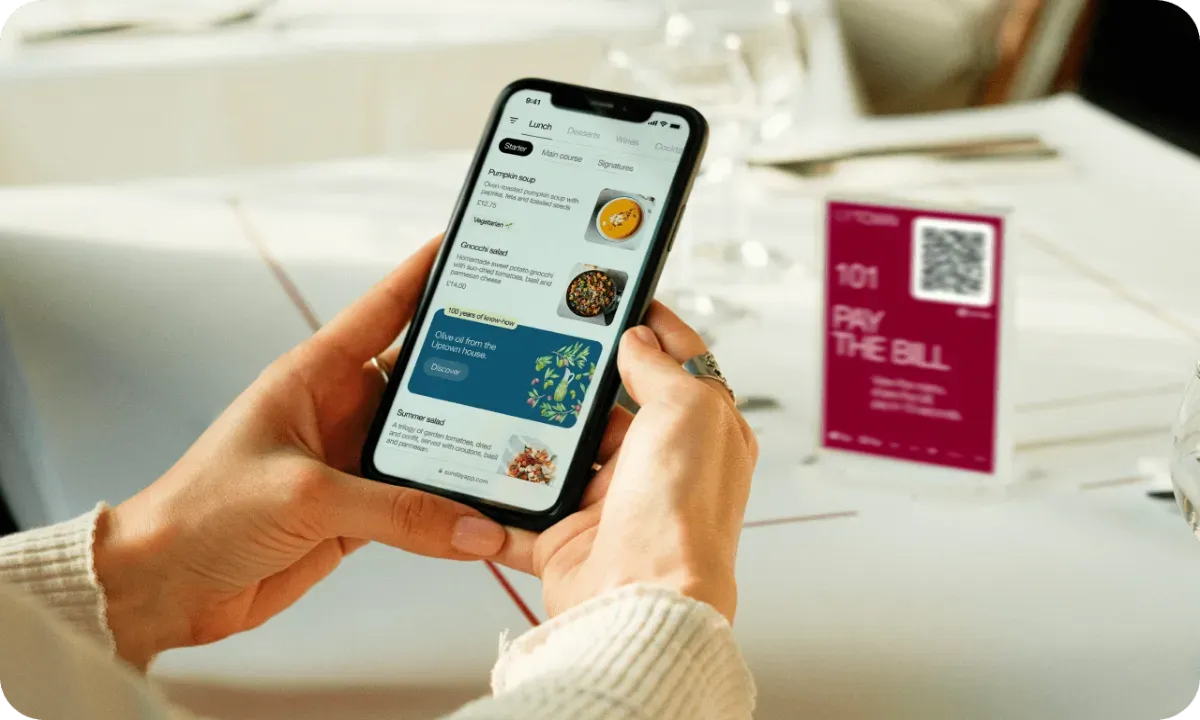
One of the most underused advantages of a digital menu ordering setup is how easy it makes testing and adjusting pricing. On a printed card, a price change means a reprint. On a QR code ordering system, it takes 30 seconds, and no one has to do anything physically.
This matters for revenue because most hotel room service menus are priced on habit rather than strategy. The same prices that were set two years ago, adjusted once, and never tested. A digital menu allows a property to run pricing experiments properly. Raise the price of a high-demand item by 8% and track whether order volume changes. Lower the price of an underperforming item and see if conversion improves. These decisions should be made on data, not on instinct, and the contactless ordering system makes collecting that data effortless.
Bundling is the other tool that printed menus cannot use effectively. A static card can list a "Full Breakfast" option. But a digital menu ordering setup can build dynamic bundles that adjust based on time, guest type, or current inventory. A business traveller checking in late sees a "Late Arrival Pack" with one main, one drink, and a dessert at a set price that is 12% less than ordering individually. The guest saves a little. The hotel sells more items per order. Both sides benefit.
Pricing and bundling tactics that directly increase room service revenue:
- Set a minimum order value for free delivery and show the guest exactly how close they are to reaching it. This alone consistently increases average order size by encouraging guests to add one more item
- Build "Complete the Meal" prompts into the QR menu for restaurants-style interface: a main course page that automatically shows recommended sides, drinks, and desserts in one scroll
- Use premium positioning for high-margin items. A dish labelled "Chef's Reserve" at ₹650, shown prominently in the contactless ordering system, will often outsell the same dish at ₹500 without the label, because the framing signals quality
- Test price anchoring: show a premium option alongside a standard option. The standard option looks like a better value and converts more, while the premium option elevates the overall perception of the menu
What the Numbers Actually Look Like
Digital menu ordering is not heading toward being a premium feature that some hotels offer. It is heading toward being the standard that guests expect. Properties still running room service entirely through phone calls are already finding it harder to match the speed and accuracy guests now experience elsewhere.
The revenue picture compounds quickly. A 100-room hotel where room service averages ₹600 per order and the contactless ordering system drives a 15% increase in average order value through upsells and bundling adds roughly ₹90 per order in additional revenue. At 30 orders a day, that is ₹2,700 daily. Across a month, that is over ₹80,000 in additional room service revenue without adding a single item to the menu or hiring a single extra person.
Add the off-peak orders that were never being placed before, the repeat orders that happen because the first experience was smooth, and the higher-value bundles that guests choose because the interface makes them easy to find. Each of those layers adds to a total that is meaningfully higher than what phone-based room service can produce.
Hotels that use digital menu ordering well are not just making room service more convenient. They are making it a genuine revenue driver, one that grows quietly in the background of every stay, every night, every month.
Related Posts
Digital Menu
In-Room Dining Ordering: How Guests Order Food & Drinks From Their Room
25 Aug
Hospitality Automation
How a Digital Minibar Cuts Billing Disputes at Checkout?
25 Aug
Hospitality
How Hotels Are Using a WhatsApp Ordering System to Increase Room Service Orders?
25 Aug