Every hotel software demo promises a chatbot that handles guest questions around the clock. It sounds great in a sales pitch. But the real question is simpler. When a guest lands on your site or opens their phone, do they actually use it, or do they scroll past and call the front desk anyway?
The honest answer is yes, guests do use hotel chatbots, but not for everything and not in every situation. Knowing the difference is what separates a useful tool from an ignored widget.
Here is what the data and guest behavior actually show.
So, Do Guests Actually Use Hotel Chatbots?
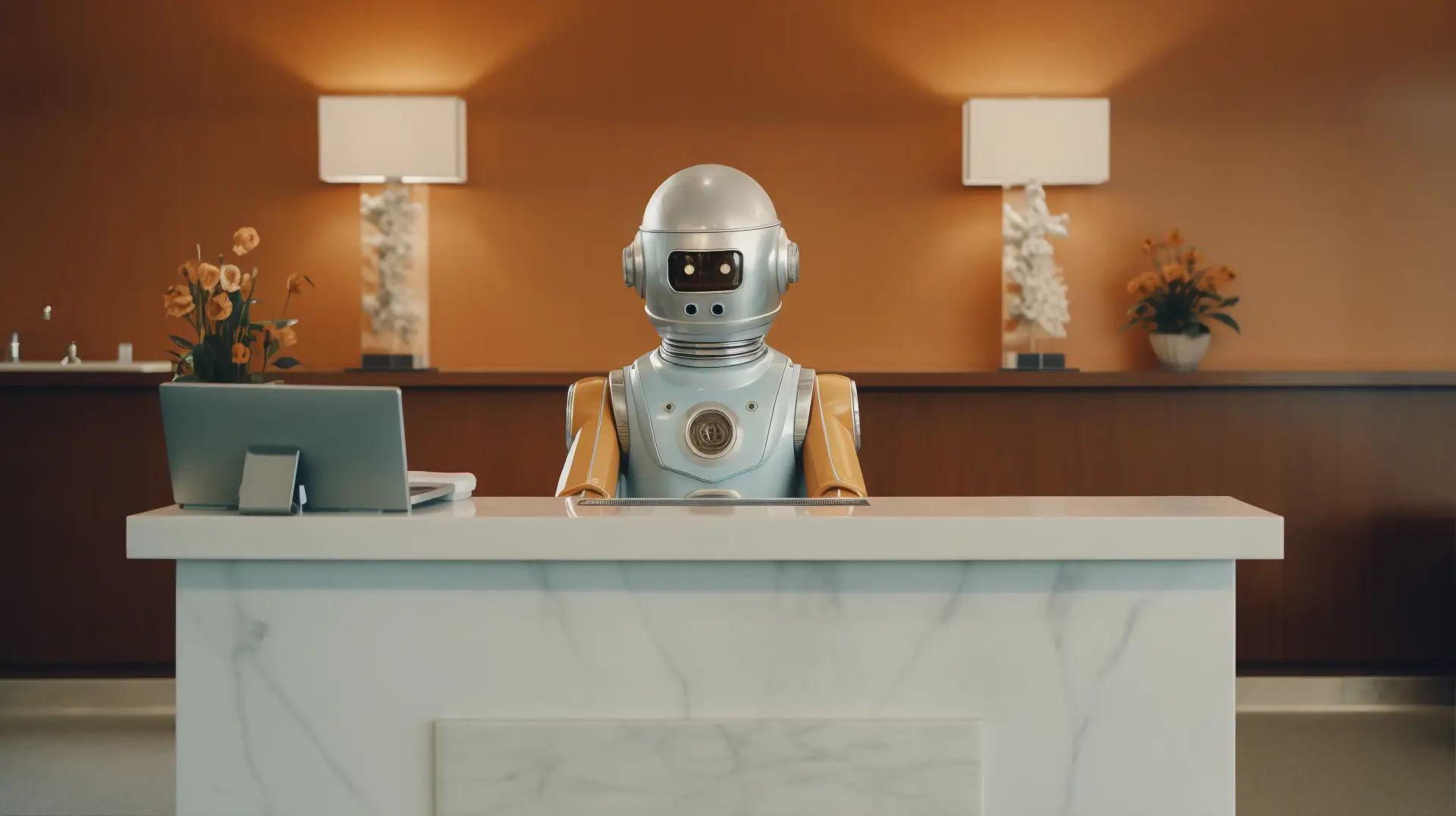
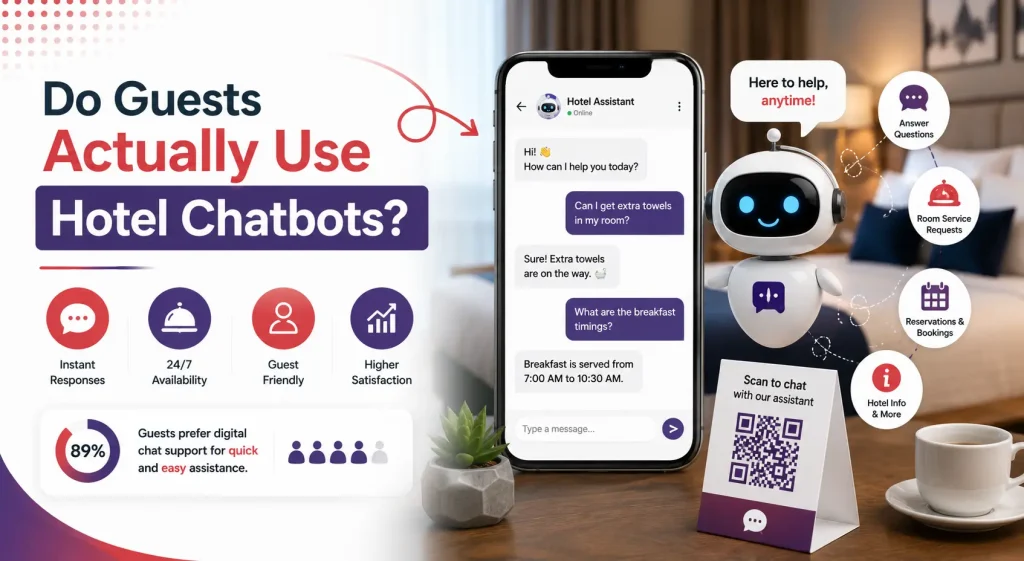
Yes, and more than most hoteliers expect. Research shows around 70 percent of guests find chatbots helpful, and a majority of travelers say they prefer a quick AI concierge for fast answers over waiting on a call or an email reply.
The reason is speed. A guest who wants to know the pool hours or the Wi-Fi password at 11 PM does not want to call the desk. A chatbot answers in seconds. That convenience is exactly why usage keeps climbing, especially among younger and international travelers who already live on messaging apps.
What Guests Use Hotel Chatbots For
Guests reach for a chatbot when the task is quick and clear. The usage clusters around a few specific needs.
- Simple questions: Check-in and checkout times, Wi-Fi, parking, breakfast hours
- Booking help: Room availability, rates, and quick reservation queries
- Service requests: Extra towels, housekeeping, or a restaurant booking
- Local tips: Nearby restaurants, directions, and things to do
- Language help: Browsing and asking in their own language
These are the moments a chatbot shines. They are repetitive, factual, and need an instant reply, which is exactly what automation does well.
When Guests Prefer a Human
This is where many hotels get it wrong. A chatbot is not a full replacement for staff, and guests know it. Close to half of customers still prefer a human agent for anything complex or emotional.
A billing dispute, a complaint, a special request, or a problem mid-stay all call for a person. Push a bot too hard in those moments and the guest gets frustrated. Some already say chatbots can feel too robotic when they hit the limits of a script.
The lesson is balance. The best setups handle the easy 70 percent automatically and hand the rest to a human without making the guest repeat themselves.
Read Also: What Is a Centralized Order Dashboard for Hotels?
What Makes Guests Actually Use a Chatbot
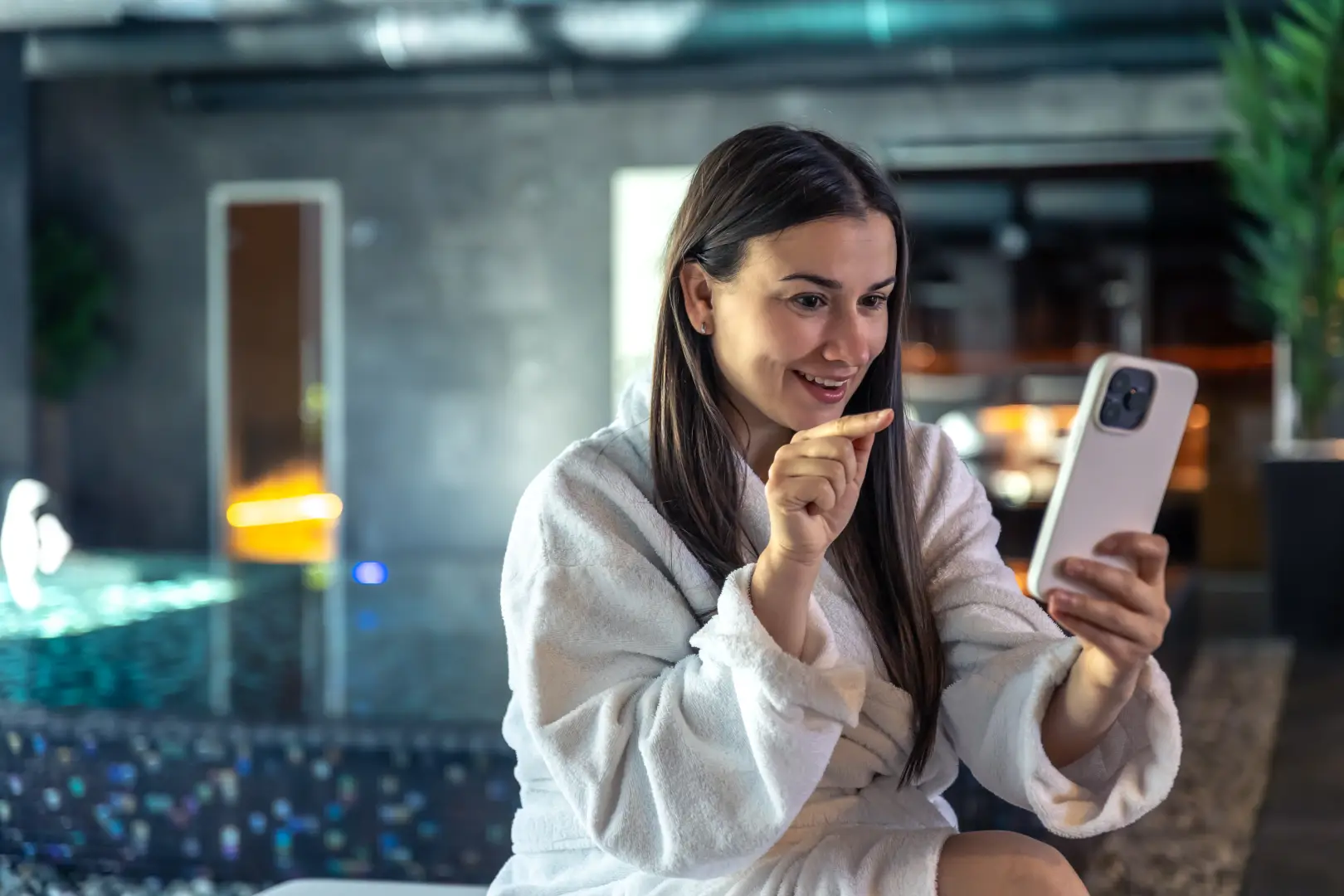
A chatbot only gets used if it is easy to reach and genuinely helpful. A few things decide whether guests engage or ignore it.
- No app download: Guests use it far more when it opens in a browser or a channel they already have, like WhatsApp
- Fast, accurate answers: One wrong or vague reply and the guest gives up for good
- A clear handoff: An easy path to a real person builds trust, not frustration
- The right channel: Meeting guests where they already chat lifts chatbot adoption
- Multiple languages: International guests use bots more when they can ask in their own tongue
Get these right and usage is high. Get them wrong and the bot becomes a button nobody taps.
What This Means for Hotels
Hotel chatbots are worth it, but only when framed correctly. They are not there to replace your team. They are there to take the flood of repetitive questions off the desk so staff can focus on the guests who need real attention.
Used this way, a chatbot cuts response times, eases pressure during peak hours, and keeps guest messaging flowing 24/7. It also captures useful data on what guests ask most, which helps you fix recurring issues. The hotels that see strong usage treat the bot as the fast first layer of support, with people right behind it.
Also Read: How Contactless Service Improves Guest Comfort in Hotels
Bringing It Together
So, do guests actually use hotel chatbots? Yes, when the bot is quick, easy to reach, and honest about its limits. Guests happily use them for simple questions and requests, and still want a human for anything tricky. Build for that reality, and a chatbot earns its place instead of gathering dust in the corner of your homepage.
FAQs
Do guests really use hotel chatbots? Yes. Most guests find chatbots helpful and use them for quick needs like check-in times, Wi-Fi, bookings, and service requests. Usage is highest when the bot replies fast and is easy to reach without a download.
What do guests use a chatbot for the most? Simple, repetitive questions and requests. Think check-in and checkout times, Wi-Fi passwords, room service, restaurant bookings, and local recommendations. These quick tasks are where a chatbot is most useful.
When do guests prefer a human over a chatbot? For anything complex or emotional, like a billing dispute, a complaint, or a problem during the stay. Close to half of customers still want a human for these, so a smooth handoff to staff is essential.
Are hotel chatbots worth it? Yes, when used as a fast first layer of support rather than a full replacement for staff. They handle routine questions, cut response times, and free your team to focus on guests who need real help.