
How Can Hotels Reduce Front Desk Wait Times During Peak Check-In Hours?
By Foodle+ Team • 29 Jul • 7 MINS READ
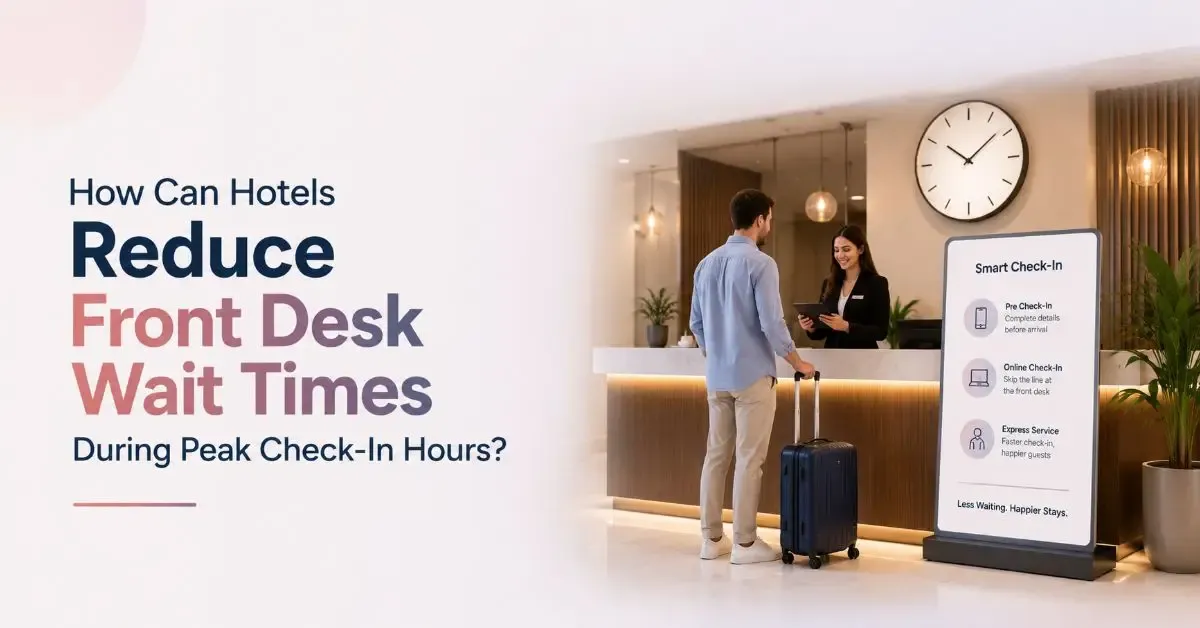
You know the feeling when the clock strikes 3 PM. Three tour buses pull up outside, twenty guests line up in the lobby, and your front desk staff are buried under passports, registration cards, and ringing intercom phones. It is the classic afternoon rush, and your team is drowning.
Long lines do more than tire out your staff. They hurt your guest satisfaction scores before the guest even unlocks their room door. If a traveler has just spent six hours on a flight, the last thing they want is to spend another twenty minutes standing on a marble floor waiting to sign a piece of paper.
The good news is that you do not need to hire double the reception staff to fix this issue. By shifting minor, repetitive tasks to digital channels, you can clear your lobby queues, keep your staff calm, and make sure arrival day feels like a luxury experience instead of a waiting room delay. Here is how to make it happen.
Why Do Hotel Front Desk Bottlenecks Peak Between 2 PM and 5 PM?
The afternoon congestion window is a structural challenge for almost every property. Hotel peak check in hours happen because travel schedules converge. Flights land, checkout times pass, and everyone wants to drop their bags at the exact same moment.
When everyone arrives at once, your reception desk becomes a clearinghouse for everything. Staff are not just handing out room keys. They are explaining Wi-Fi passwords, writing down breakfast timings, logging requests for extra pillows, and answering calls from rooms that checked in ten minutes ago.
This operational pile-up creates major hotel front desk bottlenecks. Because your team is stuck answering basic questions or typing manual data into your property management system, the physical line in front of them stops moving. Every phone call from an in-house guest slows down the check-in process for the new guest standing at the counter.
How Can Digital Guest Requests Reduce Front Desk Wait Times?
A digital guest request system acts as an automated buffer for your front office team. Instead of forcing every piece of communication through a physical desk or a landline phone, you give guests a digital path to get what they need.
A digital guest request system allows hotels to reduce front desk wait times by moving administrative tasks, amenity requests, and informational queries off the main desk and onto mobile screens. By letting guests scan a QR code or use WhatsApp to message requests directly to specific departments, you instantly clear physical lobby lines and phone queues.
When you move routine communications to a digital setup, your staff can focus 100% of their face-to-face attention on welcoming the person standing right in front of them. It changes the entire energy of your arrival lobby.
Key Ways Mobile Requests Save Front Desk Staff Time
- Bypasses the Intercom Line:: When an in-house guest needs an extra towel or a late checkout, they do not call the front desk phone. They send a quick digital request through their phone, which cuts out the middleman.
- Direct-to-Department Routing:: Digital request platforms route housekeeping or maintenance issues straight to the team on the floor. The receptionist never has to answer, log, and re-route the ticket.
- Pre-Arrival Information Shares:: You can send Wi-Fi details, parking rules, and dining hours via automated messages before the guest steps foot on the property. This removes the need for long verbal explanations at the desk.
- Standardized Digital Forms:: Instead of a staff member manually writing down dietary preferences or wake-up calls, the guest inputs the data directly into a simple mobile field.
That is the operational foundation. Now let us look at the practical steps you can take to install these fixes during your busiest daily shifts.
Also Read: What Is a Centralized Order Dashboard for Hotels?
3 Practical Steps to Clear Lobby Congestion This Week
Fixing your front desk flow does not require a massive operational overhaul. You can start making small, highly effective adjustments to your workflow by shifting where and how your guests ask for help.
1. Shift In-House Questions to WhatsApp and QR Codes
Take a look at your front desk logs. A huge portion of afternoon phone calls come from guests who are already inside their rooms, asking simple questions. "What time does the pool close?" or "Can I get a dental kit sent up?"
By placing a clear, branded QR code on the room desk or bedside table, you give them a faster option. Guests simply scan the code to open a chat channel or a simple web menu. They can text their questions or tap a button to request amenities. Your front desk staff no longer have to stop a live check-in conversation to answer a ringing desk phone.
2. Automate Your Welcome FAQ Packets
Most check-in conversations take three to five minutes because the agent has to repeat the same core property details twenty times an hour. They must cover breakfast locations, elevator directions, gym hours, and checkout procedures.
Instead of relying on verbal repetitions, push this data to the guest's mobile screen sixty minutes before arrival. A simple text or automated message containing a digital welcome guide answers these questions before the guest even asks them. When they arrive at your counter, the interaction simplifies down to a warm hello, an ID check, and a key handoff. You can easily cut your per-guest handling time from four minutes down to ninety seconds.
3. Use Asynchronous Messaging to Manage Housekeeping Demands
During peak check in hours, housekeeping requests skyrocket. Guests arrive, notice they need a crib, or want extra hangers, and immediately try to contact staff. If five rooms call the front desk simultaneously for items, the desk stalls completely.
Digital request platforms collect these requests in a centralized dashboard. Your front office manager can see all active needs at a glance without picking up a receiver. The system passes the task directly to the housekeeping supervisors on duty. It removes the stress of phone tag and stops your front desk from becoming a communications bottleneck.
[Traditional Check-In Flow] Guest Arrival ➔ Long Verbal FAQ Explanation ➔ Intercom Interruption ➔ Long Lines
[Digital-Assisted Flow] Pre-Arrival Guide Sent ➔ Fast Key Handoff ➔ Room QR Codes Handle Guest Needs ➔ Clear Lobby
How to Measure Your Front Desk Efficiency Performance
You cannot manage what you do not track. If you want to permanently reduce front desk wait times, your management team needs to look at specific operational numbers every single week.
What Metrics to Track inside Your Hotel
- Average Wait Time (AWT): Track how long a guest stands in line before an agent begins their check-in process. Aim for under three minutes, even during the 3 PM rush.
- Average Handling Time (AHT):: Measure the exact duration from the moment the agent says hello to the moment the guest walks toward the elevator.
- Phone Call Volume Drop:: Monitor how many internal room calls hit the front desk during the afternoon hours after you implement your room QR codes.
- Request Resolution Speed:: Track how long it takes for a towel or room service order to reach a guest room when sent digitally versus logged over a phone line.
Check these metrics every Sunday evening. Look for days where wait times spiked, and cross-reference them with your arrival logs. Over time, you will notice that as your digital request volume grows, your lobby wait times drop significantly. Your staff will stay fresher, and your arrival reviews will reflect a much smoother experience.
Conclusion
Managing hotel peak check in hours does not mean your lobby has to feel like a crowded airport terminal. Front desk bottlenecks are rarely a staffing problem; they are almost always a channel problem. When you give your arriving and in-house guests a fast, smooth mobile option to request services, you take the pressure off your front line. The result is a quiet lobby, an efficient workforce, and guests who get to enjoy their stay from the very first minute.
Related Posts
Hospitality
How Hotels Are Using a WhatsApp Ordering System to Increase Room Service Orders?
15 Sept
Digital Menu
In-Room Dining Ordering: How Guests Order Food & Drinks From Their Room
15 Sept

Hospitality Automation
Cross-Selling vs Upselling in Hotels: What's the Difference?
15 Sept