
Foodle+

Boosting Guest Spend Smarter

How Foodle+ Helped A Goa Hotel Unlock 30% Higher Guest Spend Through Smart Upselling

Discover how Foodle+ helped a Goa hotel boost guest spend by 30% through smart upselling, personalized offers, and seamless WhatsApp ordering.

+0%

Room Upgrade Conversion

+0%

F&B Orders per Guest

+0%

Avg. Guest Spend

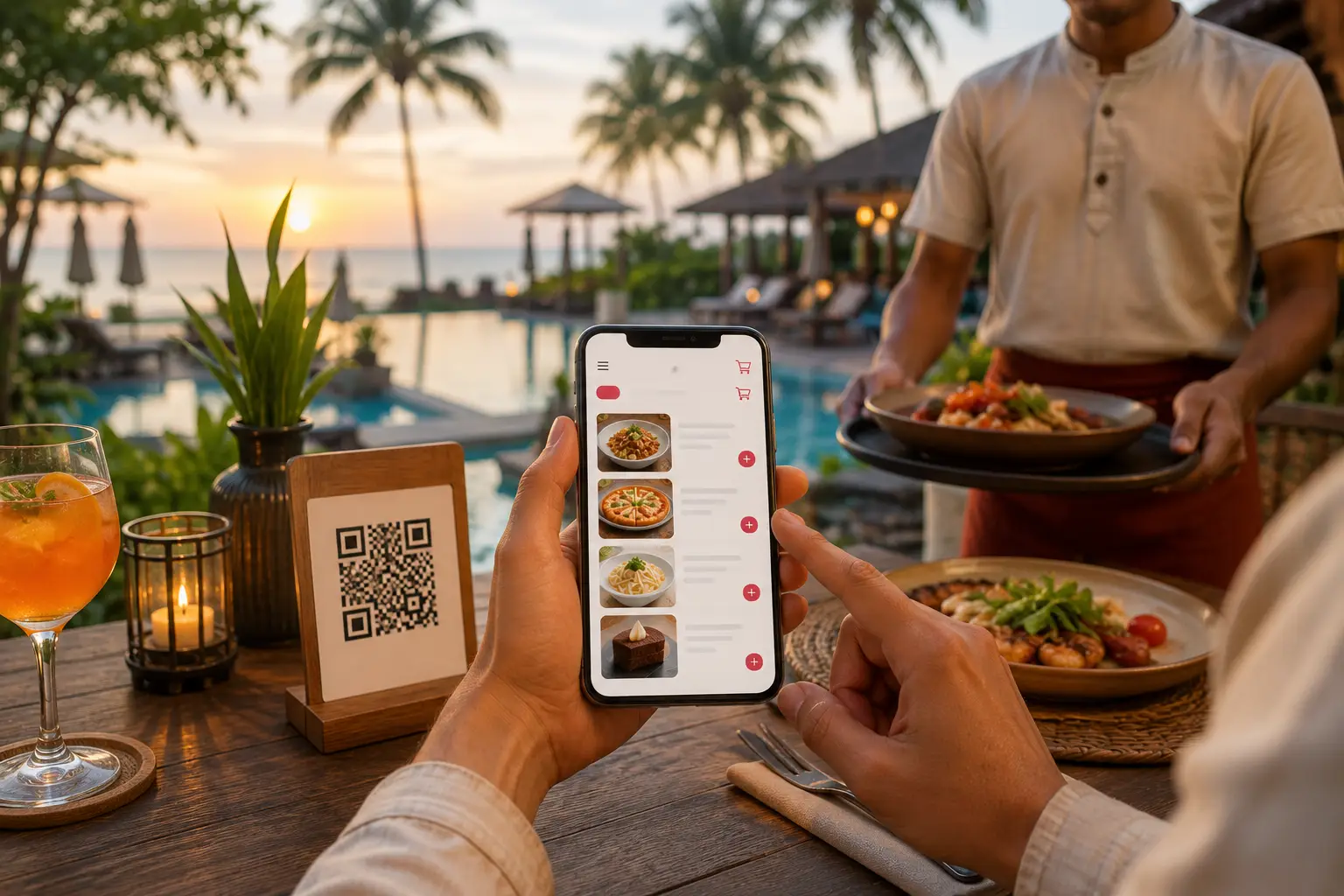
Guest browsing hotel menu on a smartphone at a beach resort

Overview

Introduction

A mid-sized boutique hotel in Goa was doing well on the surface. Occupancy was stable. Guests were happy. Reviews were positive.

The location worked in its favor, close to the beach, surrounded by cafes, and popular among both couples and small groups.

But like many hotels in high-demand destinations, the real question wasn’t just about how many guests they had. It was about how much value each guest was generating. Because in hospitality, revenue doesn’t only come from room bookings. It comes from everything that happens after check-in, food, experiences, upgrades, and services.

And that’s exactly where this hotel was missing out.

Before vs after

The Hidden Problem

On paper, everything looked fine. But when the Foodle+ team analyzed operations, a different picture emerged. Guests were staying… but not spending.

There Was No Structured System To:

  • Recommend add-ons to guests
  • Promote in-house services at the right time
  • Suggest upgrades or experiences
  • Capture impulse buying moments

Most Upselling Depended On:

  • Front desk conversations
  • Manual suggestions by staff
  • Static menus placed in rooms
  • Occasional WhatsApp messages (not personalized)

The Solutions

  • Guests are ordering basic meals instead of premium combos
  • Empty spa slots during the day
  • Low booking rates for experiences like beach dinners or cab services
  • Room upgrades rarely happen after check-in

The result? Lost revenue opportunities at every stage of the guest journey. Not because guests didn’t want these services, but because they were never presented at the right moment, in the right way.

The Insight That Changed Everything

Foodle+ Identified One Simple Truth: Guests Don’t Reject Upsells. They Ignore Irrelevant Or Poorly Timed Ones. A Guest Arriving After A Long Journey Doesn’t Want A Generic Menu. They Want: A Quick Dinner Option, A Relaxing Experience, Something Convenient, Immediate, And Easy.

And if the hotel doesn’t guide them, they simply order from outside or skip it. That’s not a pricing problem. That’s a workflow problem.

How The System Worked

Pre-Arrival Engagement

Before check-in, guests received a simple WhatsApp message: Welcome note, Early check-in options, Add-ons like airport pickup or room decoration. This created the first upsell opportunity before the guest even arrived.

Check-In Moment Optimization

Right after check-in, guests received: Quick access to hotel services, Dining options, Exclusive combos (easy-to-order bundles). Instead of scanning menus or calling reception, everything was just one tap away.

One-Tap Booking Flow

The biggest friction in hotel upselling is effort. Foodle+ removed that. Guests could: Order food, Book services, Request upgrades. All directly via WhatsApp, no calls, no waiting, no confusion.

Experience-Based Recommendations

Guests were segmented based on: Couple/family/group, Length of stay, Booking type. So instead of generic offers, they received: Candlelight dinner suggestions (for couples), Water sports packages (for groups), Relaxation packages (for longer stays). This made upselling feel like a recommendation, not selling.

Smart In-Stay Upselling

This was the biggest shift. Foodle+ automated upsell triggers based on time and behavior: Lunch time → meal combos, Evening → happy hour or café offers, Night → dinner deals or room service, Next day → experiences (spa, tours, rentals). No spam. No overload. Just relevant suggestions at the right time.

Rollout

How It Was Implemented

1

Week 1–2

System Setup

System setup, service mapping, and workflow creation.

2

Week 3–4

Upsell Categories

Upsell categories defined: food, experiences, upgrades, services.

3

Month 2–3

Behavior-Based Triggers

Behavior-based triggers helped optimize guest interactions without disrupting operations.

Guest browsing hotel menu on a smartphone at a beach resort
Outcomes

Results

+0%Room Upgrade Conversion+0%F&B Orders per Guest+0%Avg. Guest Spend

Within 90 days, the impact was clear. Not in vanity metrics, but in actual revenue behavior. Guests were spending more. And more importantly, they were spending naturally.

What actually changed: The hotel didn’t hire more staff, increase prices, or push aggressive sales. Instead, they improved timing, simplified access, and made decisions easier for guests. That’s it.

Why this worked: Because it aligned with real guest behavior. Modern travelers prefer WhatsApp over calls, avoid friction, respond to convenience, and make quick decisions when options are clear. Foodle+ didn’t “sell more”. It made it easier for guests to say yes.

A subtle but powerful shift: Earlier, the hotel waited for guest requests. Now, the hotel guides the guest journey. That one shift changed everything.

The bigger insight for hotels: Most hotels focus on increasing bookings, running ads, competing on price — but often ignore the biggest lever: increasing revenue per guest. Because once a guest is already in your hotel, they are your highest intent customer. And yet, most hotels don’t have a system to maximize that.

Performance data

Data Snapshot

+0%

Avg. Response Time

₹2,400₹3,120

+0%

F&B Orders per Guest

1.62.4

+2.1x

Experience Bookings

LowHigh

Conclusion

The Goa hotel did not need more guests. It needed to make better use of the guests it already had. By introducing structured and timely upselling, every guest interaction became a revenue opportunity instead of a missed moment. Foodle+ turned upselling from random staff effort into a clear and repeatable system.

Guests were not pushed to spend more. They were simply shown the right options at the right time in the easiest way. This is the real shift. Growth did not come from selling harder. It came from making decisions easier for guests. When the guest journey is guided well, higher spend happens naturally.