
Can You Cancel a Non-Refundable Hotel Booking and Get a Refund?
By Foodle+ Team • • 9 MINS READ

Quick answer: Can you cancel a non-refundable hotel booking and get your money back? Usually not, but sometimes yes. A non-refundable booking means the guest agreed to pay even if they cancel. Still, the hotel can choose to make an exception. Hotels most often agree when there is a serious reason, such as a death in the family, a serious illness or a natural disaster, and the guest can show proof. The best way is to ask early, ask politely, ask the right person and ask for one clear thing: a refund, a credit or new dates.
Priya booked a hotel in Goa for her family. The non-refundable rate was cheaper, so she picked it. Two weeks before the trip, her father fell ill and the family had to cancel.
She opened the booking, saw the words "non-refundable" and almost gave up. Then she wondered: is there really nothing she can do?
There often is something. This guide explains, in simple steps, how to cancel a non-refundable hotel booking, how to ask for a refund, what to write, and what to do if the hotel still says no.
- Can You Cancel a Non-Refundable Hotel Booking?
- How to Ask for a Refund on a Non-Refundable Booking
- Booked Through Booking.com, Agoda or Expedia?
- Which Reasons Do Hotels Usually Accept?
- What to Write: A Simple Message Template
- What Not to Do
- What If the Hotel Still Says No?
- How Do Hotels Decide on These Requests?
- Refundable or Non-Refundable: Which Should You Book Next Time?
- Conclusion
- FAQs
Can You Cancel a Non-Refundable Hotel Booking?
Yes, a guest can always cancel. The real question is whether they get their money back.
With a non-refundable rate, the guest pays less in exchange for giving up a refund. Booking.com explains that refundable rates cost slightly more but allow free cancellation, usually 24 to 48 hours before arrival, while non-refundable rates are cheaper but have stricter cancellation terms. In most cases, a non-refundable rate charges the full amount, whenever the guest cancels. The exact rule is written in the hotel cancellation policy shown at the time of booking.
But the rule is not locked forever. The hotel owns the room and the money, so the hotel can choose to waive the cancellation fee. Booking.com's own help page for hotels says that even if a guest has booked a non-refundable rate, they may request to cancel it free of charge.
So a non-refundable booking is not a dead end. It means the refund now depends on the hotel's decision instead of an automatic rule.
How to Ask for a Refund on a Non-Refundable Booking

These steps give the request the best chance.
1. Ask as early as possible. The earlier the hotel knows, the more time it has to sell the room to someone else. Then saying yes costs the hotel less. Booking.com notes that waiting until close to the travel date may reduce the chance of a full refund.
2. Check where the booking was made. If it was made on the hotel's own website or by phone, the guest talks to the hotel. If it was made on a booking site, the request usually goes through that site (see the next section).
3. Gather proof. For a death in the family, a death certificate or funeral notice. For illness, a doctor's letter. For a disaster, a news report or an official notice.
4. Write a short, polite message. Say that the booking is non-refundable, explain what happened, and ask for one specific thing. A template is below.
5. Ask for the right person. Front desk staff often cannot approve exceptions. Booking.com suggests that asking for a manager may work better than speaking only with front desk staff. In a small hotel, that is usually the general manager or the owner.
6. Offer a middle path. If a full refund is not possible, ask for new dates or a credit for a future stay. Many hotels find this easier to say yes to, because they keep the booking.
Booked Through Booking.com, Agoda or Expedia?
When the booking was made on a booking site, the guest usually asks through that site, and the site passes the request to the hotel. The hotel makes the final decision.
- Booking.com:: its FAQ says dates cannot be changed on a non-refundable booking, and if the guest cancels, any cancellation fees are set by the property.
- Priceline:: its help page explains that a guest may be able to request free cancellation while managing the booking. This sends a request to the property, which may decide to waive the cancellation fee.
- Agoda:: when a guest asks for free cancellation outside the policy, Agoda's customer service team sends the hotel a notification about the request. The hotel then decides.
It still helps to contact the hotel directly too. Booking.com suggests contacting the hotel directly rather than only the booking site, since hotel staff may have more freedom to help. If the hotel agrees, the guest should ask it to approve the waiver through the booking site, so the refund actually goes through.
Which Reasons Do Hotels Usually Accept?
Every hotel decides for itself, and no hotel has to say yes. These reasons get the most sympathy:
| Reason | Proof that helps |
|---|---|
| Death of a close family member | Death certificate or funeral notice |
| Serious illness or hospital stay | Doctor's letter or hospital papers |
| Natural disaster, flood or storm at the destination | News reports or official notices |
| Flight cancelled by the airline | Airline cancellation notice |
| Government travel ban or curfew | Official notice |
For events such as natural disasters, Booking.com notes that hotels are not required to waive fees but may offer rebooking or partial refunds, and official documents or news reports can support the request.
Simple changes of plan, such as finding a cheaper hotel or deciding not to travel, rarely get a refund. In those cases, asking for new dates is the better request.
What to Write: A Simple Message Template
A short, calm message works better than a long, angry one. A guest can copy this and change the details:
Subject: Request to cancel booking [booking number] for [dates]
Dear [Hotel name] team,
I booked a non-refundable stay for [dates], booking number [number]. I understand the terms of this rate.
Unfortunately, [short reason, for example: my father was admitted to hospital and we cannot travel]. I have attached [proof].
I would be grateful if you could cancel the booking with a refund. If a refund is not possible, I would be happy to move the stay to new dates or accept a credit for a future stay.
Thank you for considering this.
[Name and phone number]
What Not to Do
- Do not simply not show up.: A no-show usually means the full charge, and it closes the door on any goodwill.
- Do not threaten a bad review.: It makes the hotel less willing to help, not more.
- Do not call again and again.: One clear message to the right person works better than ten calls to the front desk.
- Do not lie about the reason.: Hotels often ask for proof.
What If the Hotel Still Says No?
Sometimes a request for a refund on a non-refundable booking still gets a no. A guest still has a few options:
- Ask for new dates or a credit: if the first request was for a refund.
- Check travel insurance.: Some policies cover a prepaid hotel stay when the trip is cancelled for a covered reason, such as illness. The policy terms decide this.
- Ask about a name change.: Some hotels let another person use the booking.
- Keep every message in writing.: If something goes wrong later, the guest has a record.
How Do Hotels Decide on These Requests?
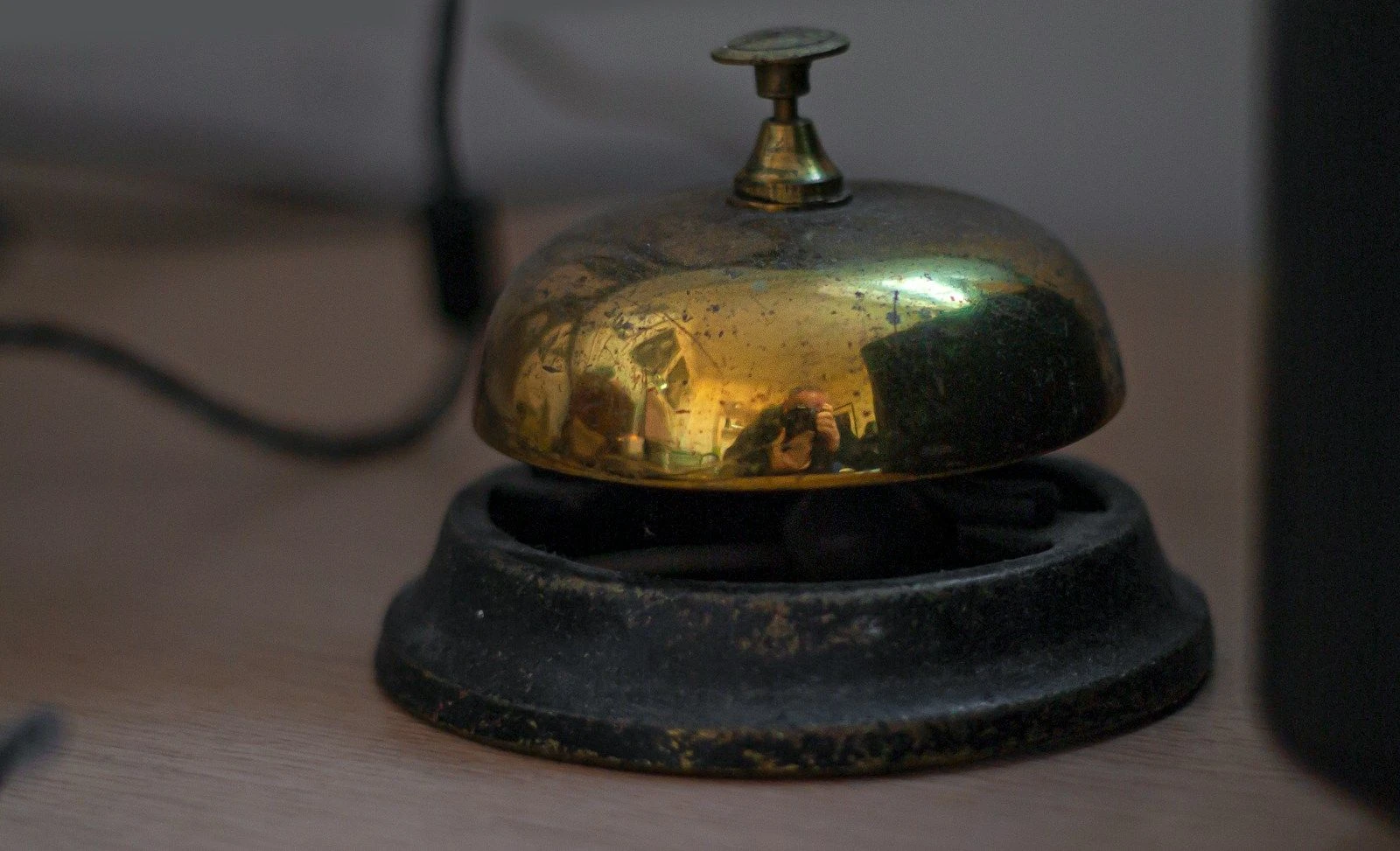
It helps to see the request from the hotel's side.
When a hotel sells a non-refundable rate, it gives a lower price in exchange for a promise of payment. If it refunds every request, the cheaper rate stops making sense. That is why the front desk usually cannot say yes on the spot. The decision sits with the manager or owner.
Most managers think about a few simple questions:
- Can the room still be sold to someone else for those dates?
- Is the reason serious, and is there proof?
- Did the guest ask early, or on the day of arrival?
- Has the guest stayed before, or might they come back?
A request that answers these well has a much better chance. For hotels, a clear hotel cancellation policy and a fair, consistent way of handling these requests also cuts down on arguments. More on this from the hotel side is in this guide on how to reduce cancellations and no-shows at a hotel.
Refundable or Non-Refundable: Which Should You Book Next Time?
A quick rule for the next booking:
| Choose non-refundable when | Choose refundable when |
|---|---|
| Travel dates are fixed and sure | Plans might change |
| The saving is large | The price difference is small |
| It is a short, simple trip | It is a family trip, a long trip or a trip months away |
Always read the hotel cancellation policy before paying. Booking.com notes that cancellation deadlines follow the hotel's local time zone, and missing one by even a few minutes can bring a charge.
Conclusion
Anyone can cancel a non-refundable hotel booking, but a refund depends on the hotel's choice. The best chance comes from asking early, giving a serious reason with proof, writing one short and polite message, and asking someone who can approve it. If a refund is not possible, new dates or a credit are often the next best thing.
FAQs
Can I cancel a non-refundable hotel booking?
How do I get a refund on a non-refundable booking?
Can I change the dates of a non-refundable booking?
Will Booking.com refund a non-refundable booking?
What is the difference between a refundable and a non-refundable rate?
Related Posts

Hospitality
How Can Hotels Handle Language Barriers With Foreign Guests?
12 Nov 2026

Hospitality
What Is FRRO Form C, and How Do Hotels Register Foreign Guests?
12 Nov 2026

Hospitality
Do Homestays Need a PMS? A Simple Guide for Guest Houses
11 Nov 2026