
Cross-Selling vs Upselling in Hotels: What's the Difference?
By Foodle+ Team • 15 Sept • 6 MINS READ

A guest books a standard room. Now, do you nudge them toward the suite with the better view, or offer them a spa session on top of their stay? Interestingly, those are two different moves. The first is upselling, and the second is cross-selling.
People mix these terms up all the time, and that is understandable, because they overlap. Still, the difference is worth knowing, since each one works best in different moments. So let us clear up cross-selling vs upselling once and for all, with simple hotel examples and easy ways to use both.
What Is Upselling in Hotels?
To settle the cross-selling vs upselling question, we first need to define each one clearly. In simple terms, upselling means encouraging a guest to buy a better version of what they already chose. In other words, it increases the value of the core booking itself.
For example, if a guest books a standard room, upselling is offering them a deluxe suite with a balcony. Similarly, it could mean an early check-in, a late checkout, or premium WiFi. Basically, the guest still buys the same type of thing, which is a room, just an upgraded one.
What Is Cross-Selling in Hotels?
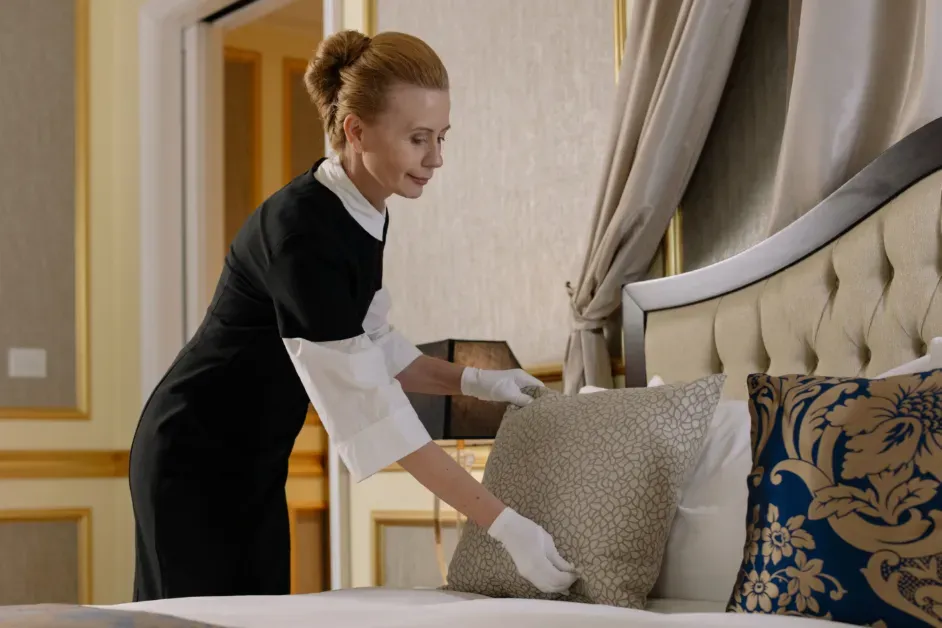
Cross-selling, on the other hand, is a little different. Instead of upgrading the booking, it adds something extra alongside it. So it expands the guest's spend into services they had not planned to buy.
For instance, that same guest with the standard room might be offered a spa treatment, a dinner reservation, an airport transfer, or a guided local tour. None of those are part of the room booking, yet each one adds value to the stay. In short, upselling increases the value of the core booking, while cross-selling expands guest spend into ancillary revenue.
Cross-Selling vs Upselling: The Key Difference
To make the differences between upselling and cross-selling crystal clear, here they are side by side.
As you can see, the core idea is simple. Upselling makes the main purchase bigger, whereas cross-selling adds new purchases around it. Both, however, aim for the same goal, which is more revenue per guest and a richer stay.
How to Upsell in Your Hotel
Now for the practical part. If you are wondering how to upsell without feeling pushy, the trick is timing and relevance.
- Offer a room upgrade at check-in, when the guest is excited and right in front of you.
- Lead with the benefit, such as a better view or more space, not just the extra cost.
- Promote early check-in and late checkout, since they cost you little and sell easily.
- Use a pre-arrival email to suggest an upgrade before the guest even arrives.
The golden rule is that the upgrade should genuinely improve the stay. When it does, guests see it as a helpful suggestion rather than a sales pitch.
How to Cross-Sell in Your Hotel
Learning how to cross-sell is just as easy, and it often feels even more natural to guests. The key is to offer the right service at the right moment in the guest journey.
- Suggest a spa treatment or dinner reservation in a pre-arrival message.
- Promote local tours and activities once the guest has settled in.
- Offer an airport transfer at booking, while they are still planning logistics.
- Let one department promote another, so the restaurant mentions the spa and the front desk mentions late checkout.
Because these are complementary and useful, guests rarely feel sold to. Instead, they feel looked after.
So, Which One Should You Use?
Honestly, the answer is both, and that is the real lesson of cross-selling vs upselling. Effective hotel upselling and cross-selling work together across the whole guest journey rather than competing with each other. You might upsell the room at booking, then cross-sell a spa session during the stay, and finish with a dining offer at dinner time.
Ultimately, the winning approach is to think in terms of total revenue per guest. Every guest touchpoint, from the booking screen to checkout, is a chance to add value in one of these two ways.
Bringing It Together
So, when it comes to cross-selling vs upselling, remember the simple rule. Upselling upgrades what the guest already booked, while cross-selling adds something new alongside it. Both lift your revenue and, when done thoughtfully, both improve the guest experience too. So do not pick one over the other. Instead, use them together, offer the right thing at the right moment, and always keep the guest's stay at the heart of it.
FAQs
What is the difference between cross-selling and upselling in hotels?
What is an example of upselling in a hotel?
What is an example of cross-selling in a hotel?
Should hotels use upselling or cross-selling?
Related Posts
Hospitality
How Hotels Are Using a WhatsApp Ordering System to Increase Room Service Orders?
15 Sept
Digital Menu
In-Room Dining Ordering: How Guests Order Food & Drinks From Their Room
15 Sept
Hospitality Automation
How a Digital Minibar Cuts Billing Disputes at Checkout?
25 Aug