
Why Hotels Lose Money Through Manual Operations (And How Hotel Operations Automation Solves It)
By Foodle+ Team • • 5 MINS READ
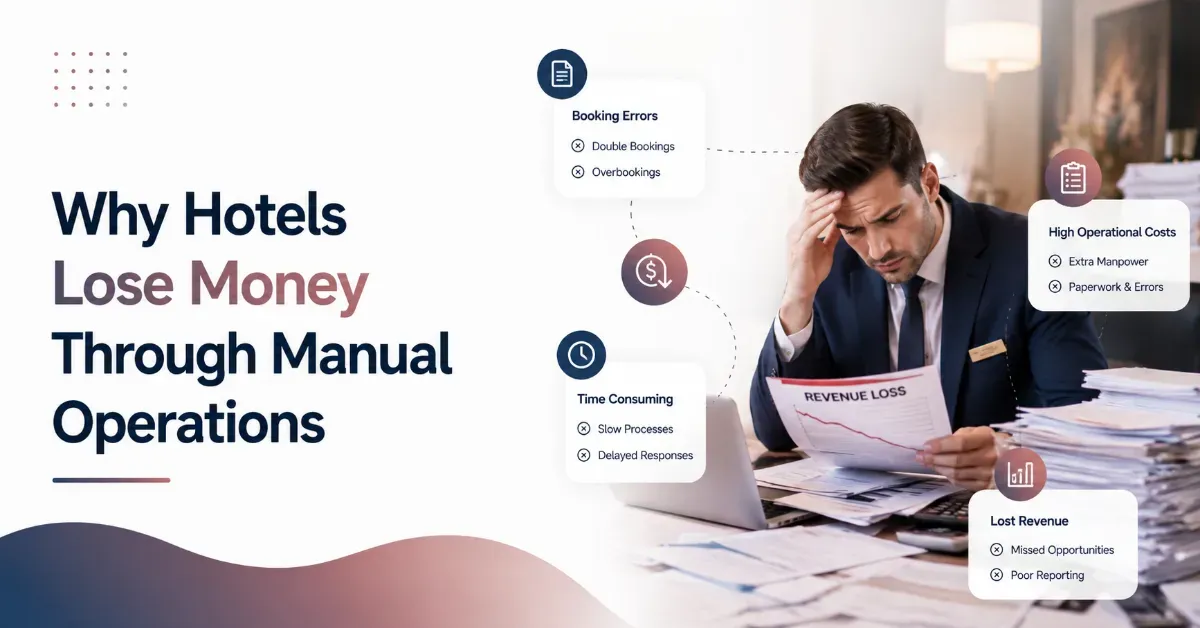
If your hotel still relies on phone calls, paper logs, spreadsheets, or WhatsApp groups to manage daily operations, you're probably losing money without realizing it.
Manual processes may seem manageable when occupancy is low, but as guest requests increase, they often lead to delays, communication gaps, missed upselling opportunities, and operational mistakes. These issues don't just affect efficiency, they directly impact revenue and guest satisfaction.
The solution isn't hiring more staff. It's adopting hotel operations automation to streamline daily tasks, improve communication, and deliver faster guest service.
Let's look at the biggest ways manual operations cost hotels money and how automation can fix them.
- 1\. Delayed Guest Requests Lead to Poor Reviews
- 2\. Poor Communication Between Departments
- 3\. Missed Upselling Opportunities
- 4\. Human Errors Increase Operational Costs
- 5\. Staff Spend Too Much Time on Repetitive Tasks
- 6\. Managers Don't Have Real-Time Visibility
- Why Hotel Operations Automation Matters
- Signs Your Hotel Needs Automation
- Final Thoughts
- Frequently Asked Questions
1. Delayed Guest Requests Lead to Poor Reviews
Guests expect quick responses when they request towels, housekeeping, room service, or maintenance.
When staff manually relay requests through phone calls or handwritten notes, delays become common. Guests get frustrated, service quality drops, and negative reviews become more likely.
How to Fix It
With hotel workflow automation, guest requests are instantly assigned to the correct department, and staff receive real-time notifications. This reduces response times and helps hotels deliver a smoother guest experience.
2. Poor Communication Between Departments
One of the biggest challenges in hotel operations management is poor coordination between teams.
Reception may not know whether housekeeping has cleaned a room. Restaurant staff may miss room service requests. Maintenance issues can remain unresolved because information isn't shared efficiently.
These communication gaps slow down operations and create unnecessary confusion.
How to Fix It
A centralized operations platform keeps every department connected. Front office, housekeeping, F&B, and maintenance teams can access the same information, ensuring everyone stays updated in real time.
Also Read: How Hotels Can Track Guest Orders in Real Time
3. Missed Upselling Opportunities
Many hotels invest in restaurants, spas, gyms, airport transfers, and recreational activities.
However, guests often don't know these services exist because promotions rely on printed brochures or verbal recommendations at check-in.
As a result, hotels lose valuable ancillary revenue every day.
How to Fix It
Using hospitality automation, hotels can automatically promote relevant services during the guest's stay through digital menus, guest portals, or WhatsApp notifications. This encourages guests to explore more services and increases in-house spending.
4. Human Errors Increase Operational Costs
Manual data entry often leads to mistakes.
Examples include:
- Wrong room assignments
- Missed housekeeping requests
- Incorrect room service orders
- Billing errors
- Forgotten maintenance tasks
Even small mistakes can affect guest satisfaction and increase operational costs.
How to Fix It
Hotel operations automation minimizes manual work by digitizing workflows, reducing repetitive tasks, and ensuring requests are recorded accurately from the beginning.
5. Staff Spend Too Much Time on Repetitive Tasks
Hotel employees often spend hours answering routine questions, taking phone orders, updating spreadsheets, and coordinating tasks manually.
This leaves less time for what matters most, serving guests.
How to Fix It
Automating repetitive processes allows staff to focus on personalized hospitality instead of administrative work. It also improves productivity without increasing headcount.
6. Managers Don't Have Real-Time Visibility
When operations are managed manually, managers often discover problems only after guests complain.
Without real-time insights, it's difficult to monitor pending requests, staff performance, or service delays.
How to Fix It
Modern hotel operations management software provides live dashboards that show ongoing tasks, request status, response times, and team performance. This allows managers to identify issues before they affect guests.
Also Read : How to Avoid Missed Requests During Peak Hours

Why Hotel Operations Automation Matters
Hotels today operate in a highly competitive market where guests expect fast, personalized, and seamless service.
Manual operations make it difficult to meet these expectations consistently.
By implementing hotel operations automation, hotels can:
- Improve operational efficiency
- Reduce manual errors
- Respond to guest requests faster
- Increase staff productivity
- Improve guest satisfaction
- Generate more ancillary revenue
- Deliver consistent service across departments
Automation doesn't replace hotel staff, it empowers them to work smarter and provide better guest experiences.
Signs Your Hotel Needs Automation
If your hotel experiences any of the following issues, it may be time to adopt hotel workflow automation:
- Staff frequently miss guest requests.
- Guests complain about slow service.
- Departments struggle to communicate.
- Managers rely on spreadsheets to track operations.
- Phone calls overwhelm the front desk.
- Guest feedback highlights inconsistent service.
- Revenue opportunities are regularly missed.
Recognizing these signs early can help hotels improve operations before they affect guest loyalty and profitability.
Final Thoughts
Manual processes may have worked in the past, but modern hotels need faster, smarter, and more connected operations to stay competitive.
Investing in hotel operations automation helps reduce operational costs, eliminate communication gaps, improve service quality, and increase revenue opportunities.
As guest expectations continue to rise, hotels that embrace hospitality automation and modern hotel operations management systems will be better equipped to deliver exceptional experiences while running more efficient and profitable operations.
FAQs
What is hotel operations automation?
Why do manual hotel operations reduce profitability?
How does hotel workflow automation improve efficiency?
What are the benefits of hospitality automation?
How can Foodle+ help automate hotel operations?
Related Posts
Hotel Management Software
What Software Is Used in Hotels? A Complete Guide to Every System, How It Works, and What It's For
29 Sept 2026
Hospitality
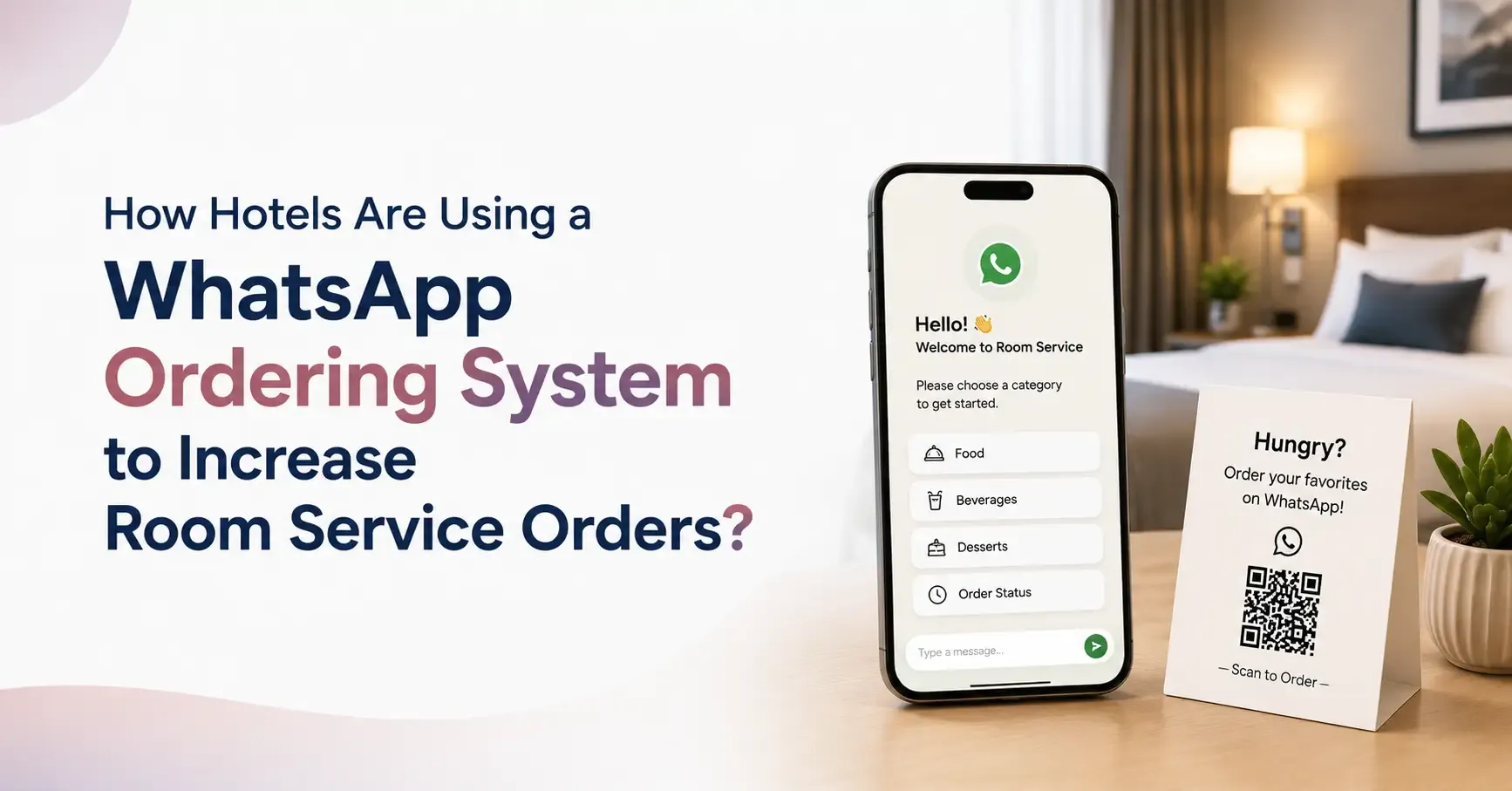
How Hotels Are Using a WhatsApp Ordering System to Increase Room Service Orders?
25 Aug 2026
Hospitality
Do Guests Actually Use Hotel Chatbots?
29 Jul 2026