
Hotel Management Software for 3-Star Hotels: Features That Matter
By Foodle+ Team • 17 Sept • 6 MINS READ
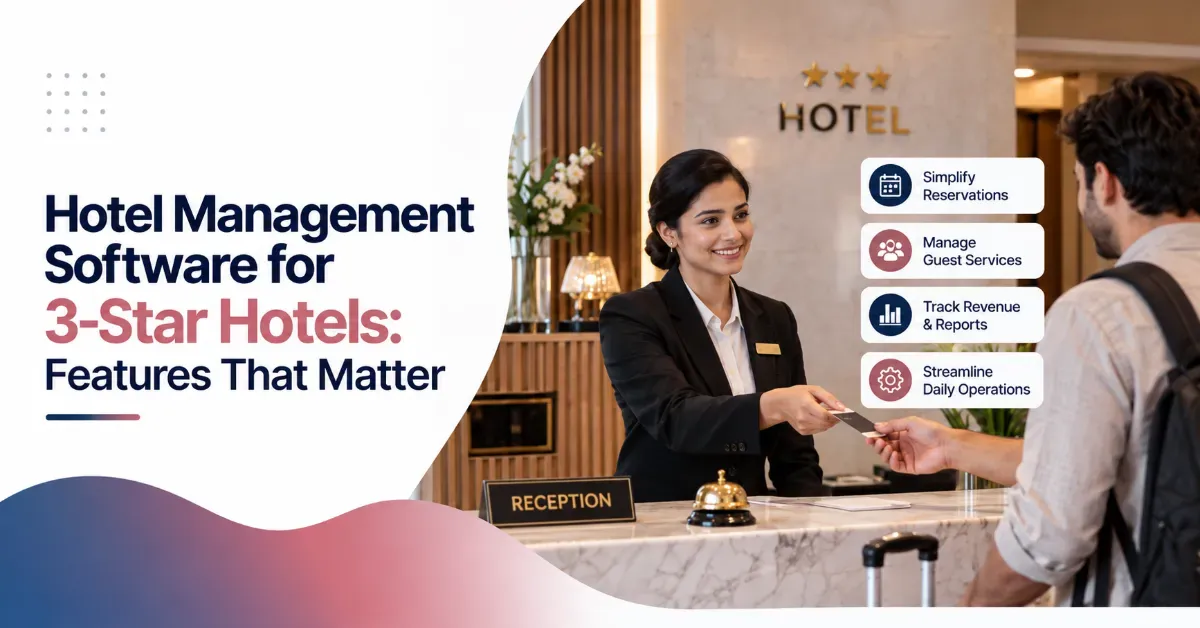
The features that matter most for a 3-star hotel are fast staff training, real-time housekeeping sync with the front desk, mobile access for a lean team, GST-compliant billing, and clean integration with a booking engine and channel manager. Skip spa modules, multi-property enterprise dashboards, and elaborate loyalty engines built for resort-scale operations you don't run.
The Core Features That Actually Matter
The right hotel management software for 3 star hotels comes down to a short, specific list rather than a long one.
1. Fast Staff Training and an Intuitive Interface
Staff turnover tends to run higher at 3-star properties than at luxury hotels, often because front desk and housekeeping roles here are entry-level positions with frequent movement. That makes training speed a real feature, not a nice-to-have. A cluttered interface with fifteen menu tabs slows down a new hire and increases the risk of booking errors during their first week. A well-designed system lets a new front desk agent handle check-in, folio changes, and a walk-in booking confidently within a single shift, not after a week of shadowing.
2. Real-Time Front Desk and Housekeeping Sync
With a lean team, there's no room for a housekeeper telling the front desk verbally that Room 214 is clean, only for that update to get lost in the shift handover. Real-time housekeeping status, visible on the same screen used for check-in, prevents the specific, recurring problem of assigning a guest to a room that housekeeping hasn't actually finished turning over. This single sync point removes one of the most common sources of guest complaints at independent hotels.
3. Mobile Access for Lean Staffing
A 40-room hotel rarely has a manager stationed at the front desk terminal all day. Mobile access, through a phone or tablet, lets that manager approve a rate change from the restaurant floor, check tonight's arrivals from the parking lot, or confirm a refund while walking the property. This matters far more here than at a large hotel with dedicated staff assigned to each function, since one person is often covering three roles at once.
4. Simple, Accurate GST Billing
Split payments, quick folio generation, and correct GST slabs on room revenue versus food and beverage matter more at this scale than multi-currency, multi-outlet billing built for international resort chains running six restaurants and a spa. A billing error here isn't a rounding issue buried in a large ledger, it's a guest standing at the counter waiting for a corrected invoice while others queue behind them. Keep this fast and exact.
5. Integration with a Booking Engine and Channel Manager
A 3-star hotel typically pulls bookings from a mix of sources: OTAs like Booking.com and MakeMyTrip, its own website, walk-ins, and phone reservations. Software that doesn't sync rates and availability across all of these in real time creates the exact conditions for a double-booking, one of the most damaging and preventable errors an independent hotel can make. Manual rate updates across four or five separate extranets, done by hand every time a room sells, is precisely where this breaks down.
Also Read:How to Connect Your Hotel to MakeMyTrip and Goibibo Through a Channel Manager
Why 3-Star Hotels Need a Different Approach Than Luxury Hotels
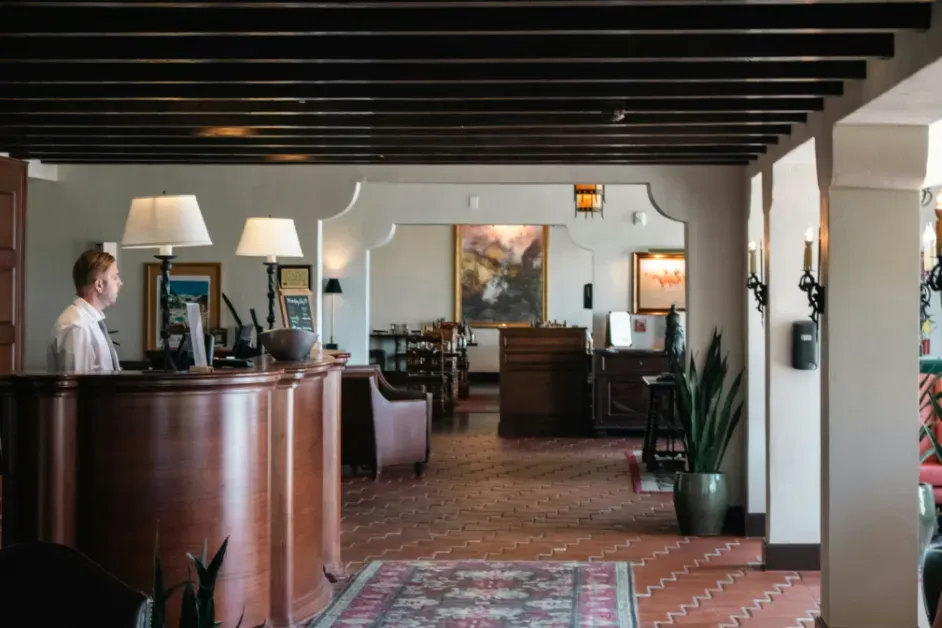
A good hotel PMS for 3 star hotels has to account for a smaller team, tighter margins, and faster daily decisions than a 5-star resort deals with. Front desk staff often double as reservation agents. Housekeeping supervisors sometimes cover maintenance requests too. The owner frequently makes pricing calls directly instead of relying on a dedicated revenue manager.
This changes what "good software" actually means here. A platform built for a 5-star resort often bundles spa scheduling, banquet and event management, and multi-outlet F&B modules into its core package, features a 3-star property pays for in the subscription price but rarely, if ever, opens. The right system for this segment prioritizes doing five or six things reliably over offering forty modules that mostly sit unused.
The Hidden Cost of Overbuying
A feature-heavy platform doesn't just cost more upfront, it costs more in ongoing complexity too. Every unused module still shows up in the staff interface, still needs a login permission decided during setup, and still adds a setting someone eventually has to configure, troubleshoot, or explain to a confused new hire. For a property running lean, that hidden cost in staff time and daily confusion often outweighs whatever the extra features were supposed to deliver.
The better question isn't "what's the most this software can do." It's "what does my property actually do every single day, and does this system handle that well." A 40-room hotel running front desk, housekeeping, and a small in-house restaurant doesn't need the same platform as a 400-room resort running six F&B outlets, a spa, and a conference center. Matching the system's complexity to your actual daily operation keeps both cost and staff frustration lower.
What You Can Safely Skip
Not every advertised feature deserves a spot on your checklist. Spa and wellness scheduling, multi-property enterprise dashboards built for chains, banquet and event management suites, and elaborate tiered loyalty program engines are built for a different segment of the market entirely. Paying for these adds monthly cost and interface clutter without adding value if your property doesn't run a spa, host conferences, or manage a multi-tier loyalty scheme.
Questions to Ask Before Choosing
- How long does it actually take a new front desk hire to learn this system, in real hours, not marketing language?
- Does housekeeping status update instantly, or does someone need to manually refresh a screen?
- What's included in the base subscription versus what gets charged as a separate add-on, module by module?
- Can the system add a second property later without forcing a full data migration?
- What exactly happens to my guest history and booking data if I decide to switch systems in two years?
A vendor who answers these with specific numbers and clear yes-or-no answers is worth more trust than one who leads with a glossy feature list and vague reassurances about "scalability."
Bringing It Together
Good hotel PMS software for 3 star hotels doesn't need to replicate everything a resort-grade platform does. It needs five or six things done reliably: fast staff onboarding, real-time housekeeping sync, mobile access, accurate GST billing, clean channel and booking engine integration, and reports someone will actually read. Match the system to your daily operation rather than the longest feature list on the market, and most of the daily friction that comes with the wrong choice simply disappears.
FAQs
What features matter most in hotel management software for 3-star hotels?
Do 3-star hotels need the same PMS features as 5-star resorts?
How long should staff training take on a good hotel PMS?
Why do double bookings happen more at independent 3-star hotels?
Related Posts
Hotel Management Software
Hotel Software for Hotel Owners: Features That Simplify Hotel Management
19 Sept
Hotel Management Software
Hotel Management Software for 5-Star Hotels: Essential Features to Consider
17 Sept
Hotel Management Software
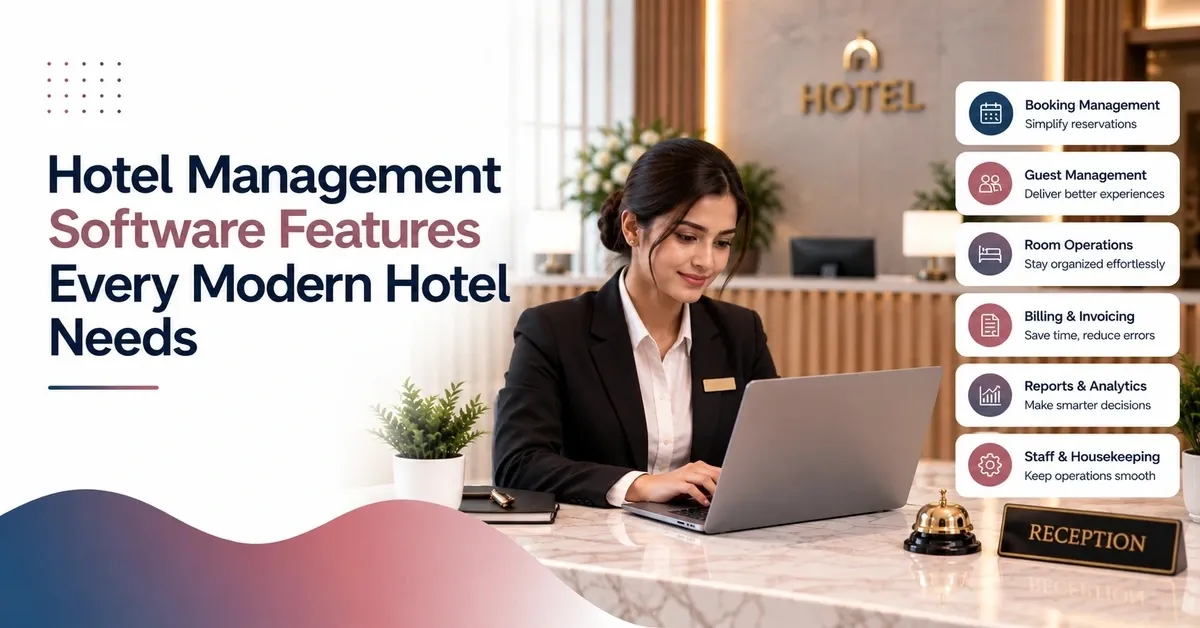
Hotel Management Software Features Every Modern Hotel Needs
15 Sept